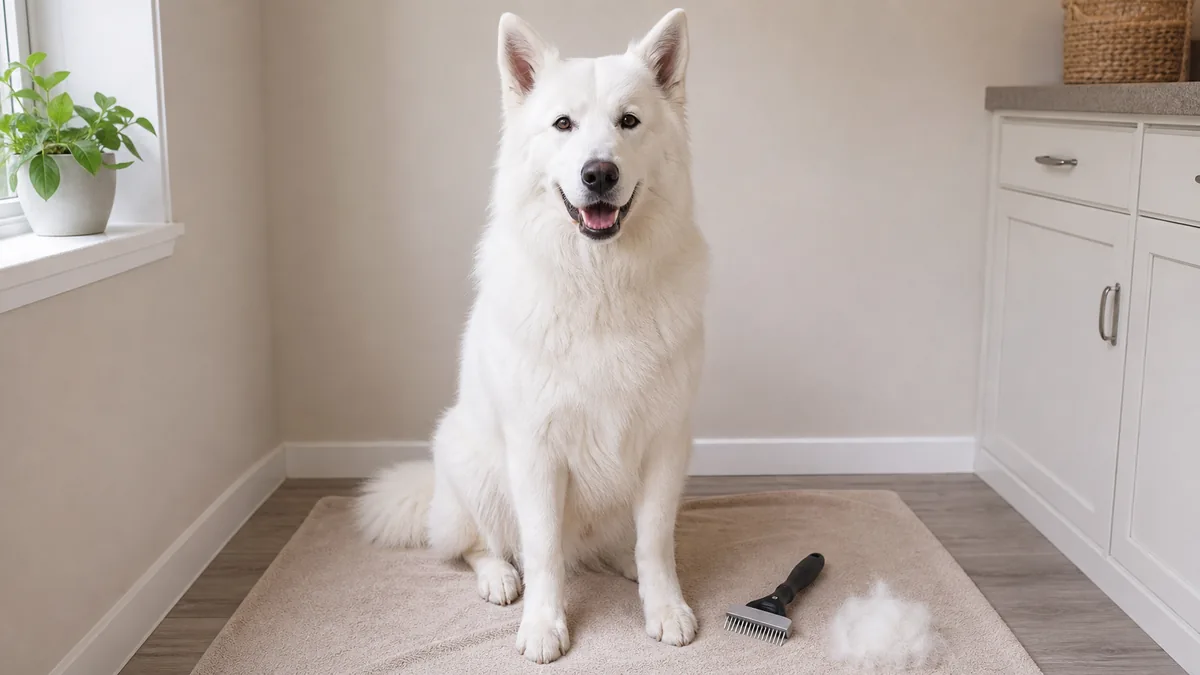
My white double-coated dog turns every spring into a small blizzard. For years I fought it with the same slicker brush I used the rest of the year, wondered why it barely made a dent, and swept up fur twice a day anyway.
Deshedding is not the same job as everyday brushing, and using the wrong tool for the coat you actually have is the reason so many owners feel like they are losing the fight against fur on the couch.
This guide walks through picking the right tool for your dog’s coat, the technique that actually pulls out the dead undercoat, and the mistakes that make the mess worse. I groom three very different coats in my own house, and none of them are ever completely fur-free.
Deshedding is a different job than everyday brushing. Here is how to pick the right tool for your dog’s coat, the technique that actually clears the undercoat, and the mistakes that make the mess worse.
- 1Why dogs shed: the coat biology
- 2Double coats vs. single coats
- 3Seasonal coat blow vs. everyday shedding
- 4The right tool for the right coat
- 5The deshedding technique that works
- 6The bath-and-blow method
- 7Short-coated dogs shed too
- 8Curly and low-shedding coats
- 9Diet and coat health
- 10How often to deshed
- 11The “never shave” myth
- 12When to check with a vet
- 13The mistakes that make it worse
Why Dogs Shed: The Coat Biology Behind the Fur Everywhere
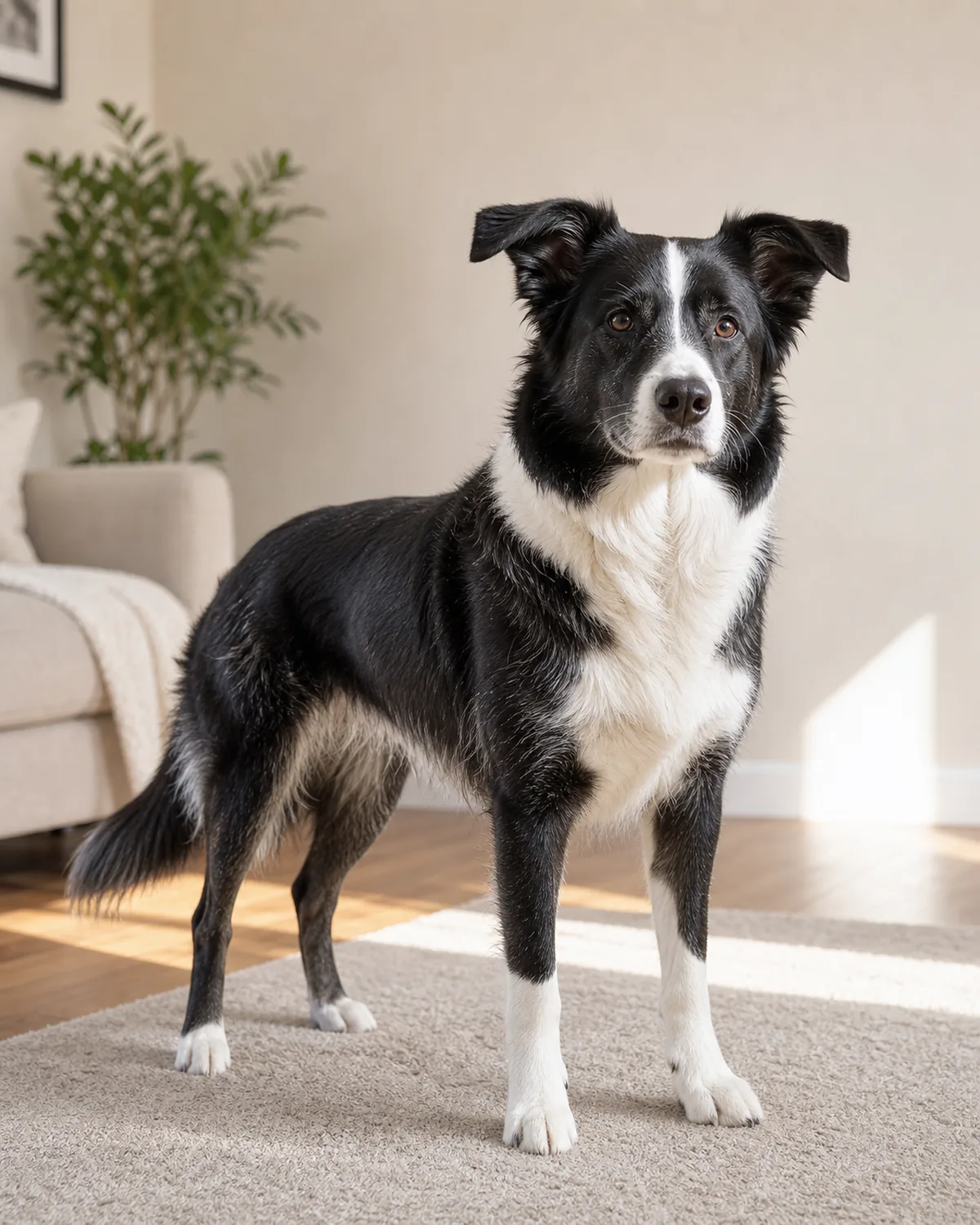
Shedding is not a malfunction. It is the normal cycle of hair growth, rest, and release, and every dog goes through it to some degree — including the ones marketed as “low-shedding.”
The goal of deshedding, then, is not stopping shedding entirely. That is not physically possible for any coat type. The real goal is managing the loose, dead undercoat before it ends up on the floor, the couch, and every dark pair of pants in the house.
Once that reframe clicks, the rest of the routine makes a lot more sense. You are not fighting your dog’s biology. You are just getting ahead of it.
Double Coats vs. Single Coats: Why Some Dogs “Blow Their Coat” and Others Don’t
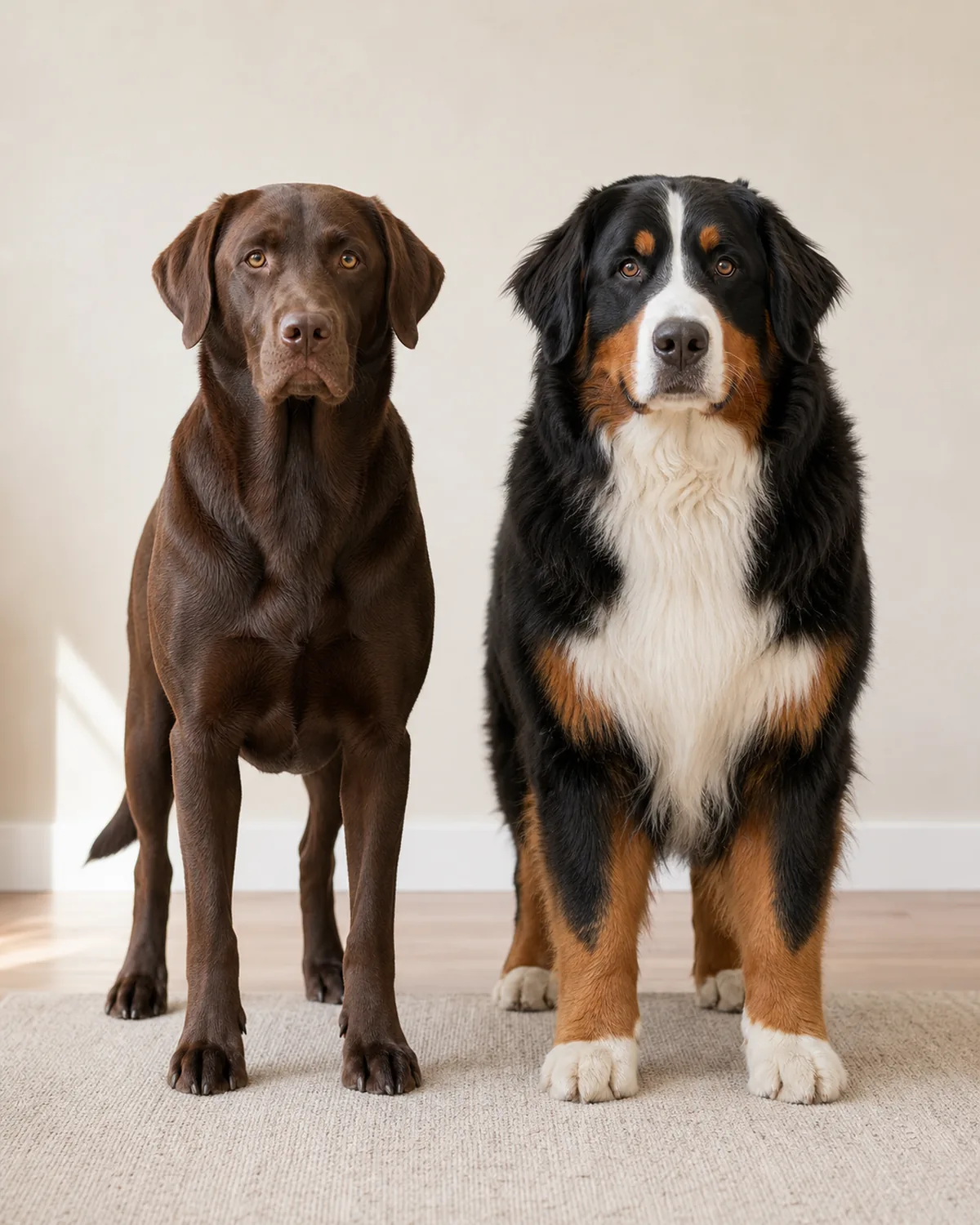
Double-coated dogs carry a soft, dense undercoat underneath a coarser topcoat, and they shed that undercoat in dramatic seasonal waves — the phenomenon owners call “blowing coat.” Single-coated dogs, by contrast, shed a steadier, smaller amount all year round without the same seasonal drama.
Knowing which type you are working with comes before any tool gets picked up. An undercoat rake is wasted effort on a dog with no undercoat to speak of. A slicker brush alone cannot keep up with a double coat that is actively blowing out.
This one distinction explains more mismatched grooming frustration than almost anything else in this guide.
Reading a Seasonal “Coat Blow” vs. Everyday Shedding
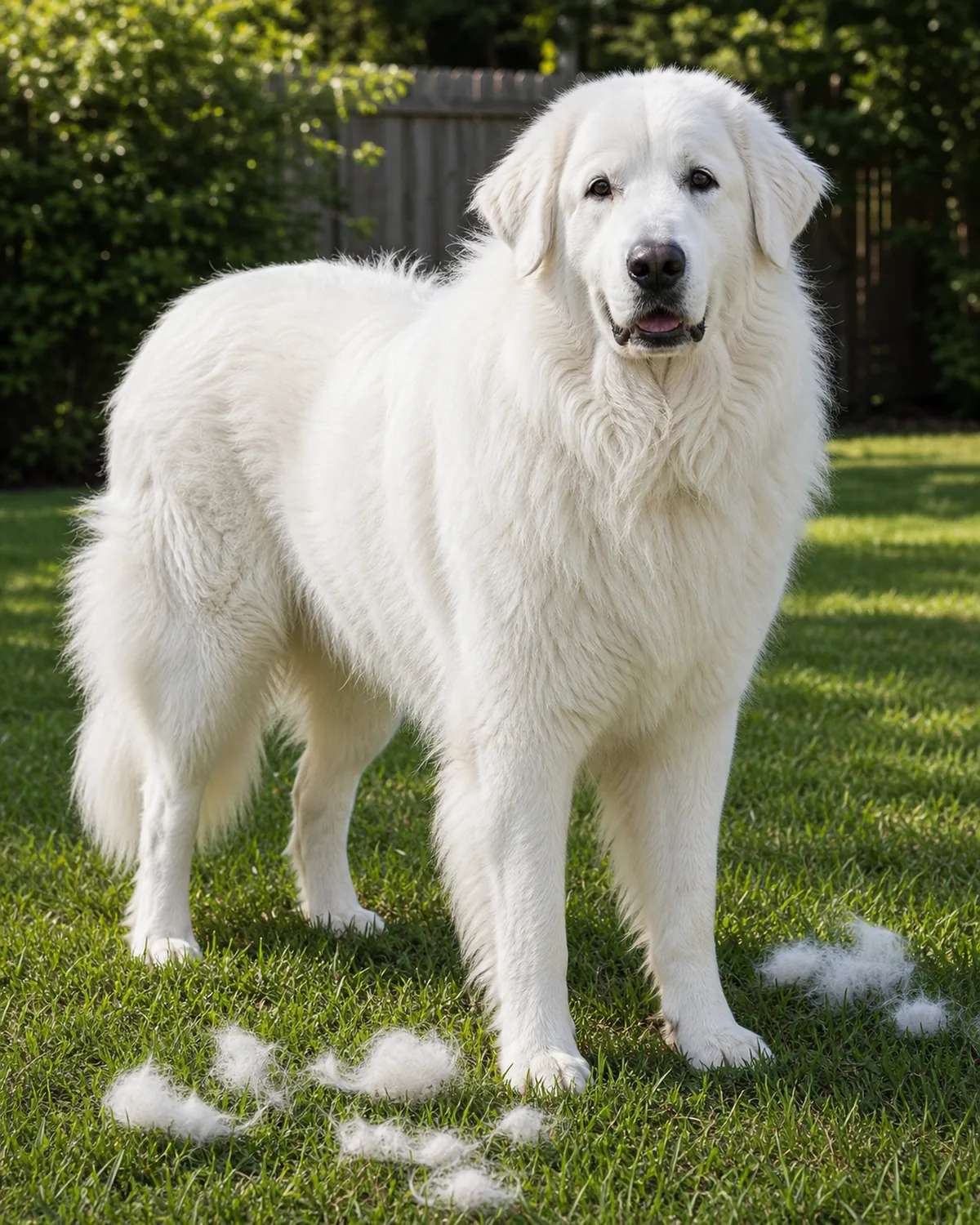
A true coat blow, usually tied to the daylight-length changes of spring and fall, produces noticeably more loose fur over a two-to-four-week window than your dog’s normal baseline shedding. Outside that window, the same dog might barely seem to shed at all by comparison.
A heavy retained undercoat during a coat blow also traps body heat against the skin. Getting that dead undercoat out is part of keeping a double-coated dog comfortable once summer heat sets in, not just a cosmetic fur-control task — a full winter undercoat still sitting there in June works against every other cooling step you take.
Recognizing the seasonal window lets you step up deshedding frequency temporarily instead of wondering if something has suddenly gone wrong with your dog’s coat.
Deshedding is not one routine for every dog. These four coat patterns cover most dogs — find the one closest to yours before picking a tool.
The Right Tool for the Right Coat
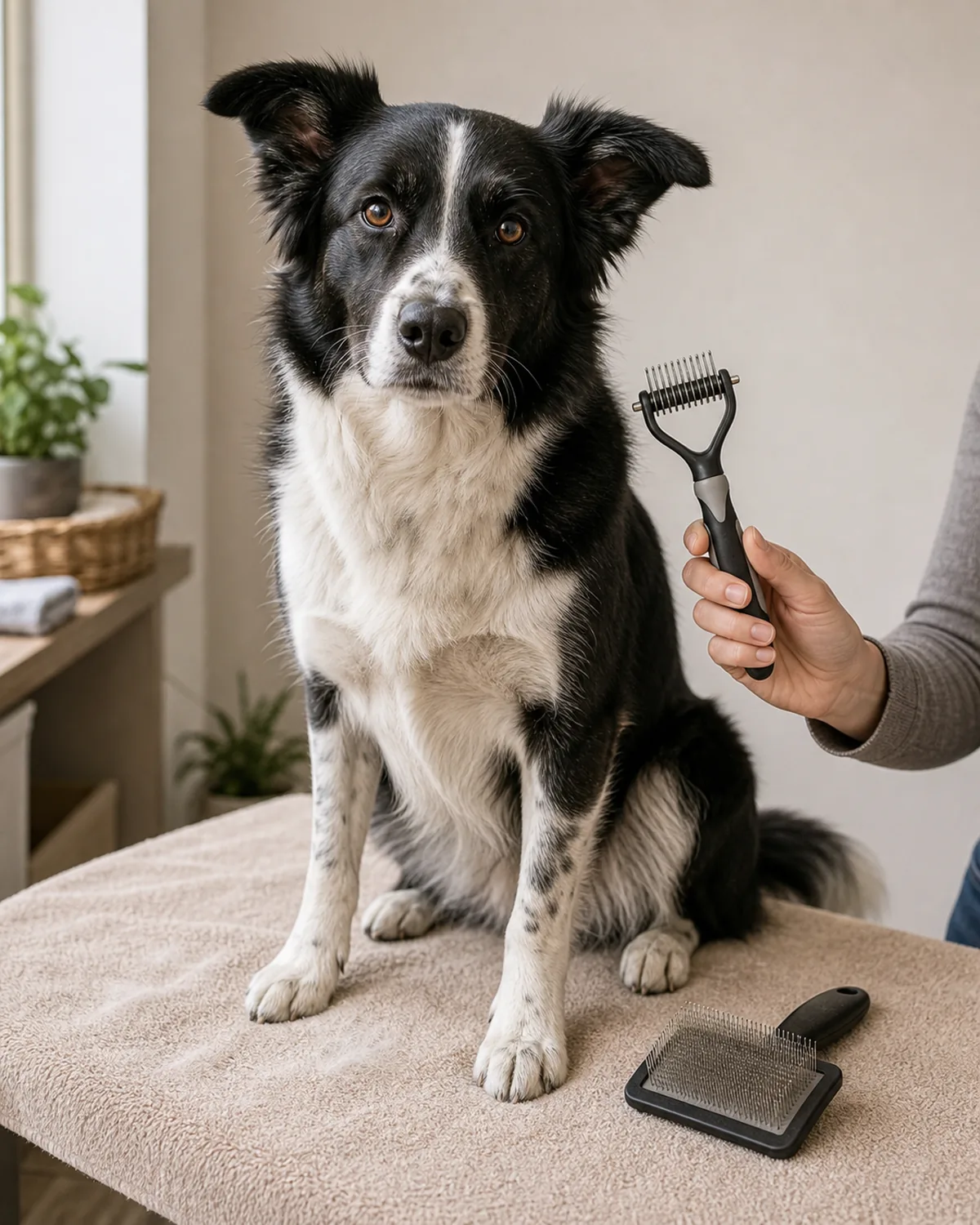
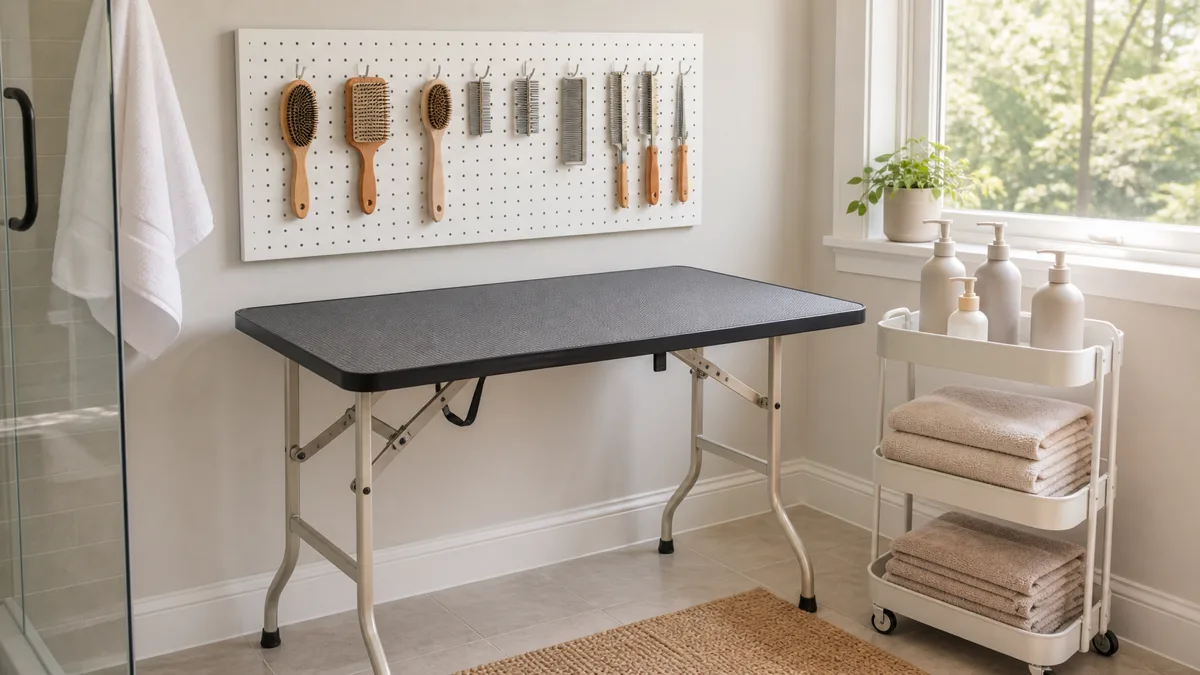
An undercoat rake or deshedding comb reaches down through the topcoat to grip and lift the loose undercoat sitting underneath on a double-coated dog. A slicker brush is built for smoothing and detangling the topcoat, not for pulling dead undercoat out from below it. A rubber curry brush, meanwhile, works best on short, single-coated dogs that have no true undercoat to reach.
The everyday slicker-brush routine used for detangling and mat prevention is a different tool doing a different job than the deshedding tools covered here — one keeps the coat smooth day to day, the other clears out the seasonal buildup underneath it.
Using the wrong tool for the coat type either wastes your time — a slicker brush on heavy undercoat — or risks skin irritation, an aggressive undercoat rake dragged across a coat that never had much undercoat to begin with.
The Deshedding Technique That Actually Removes Loose Undercoat
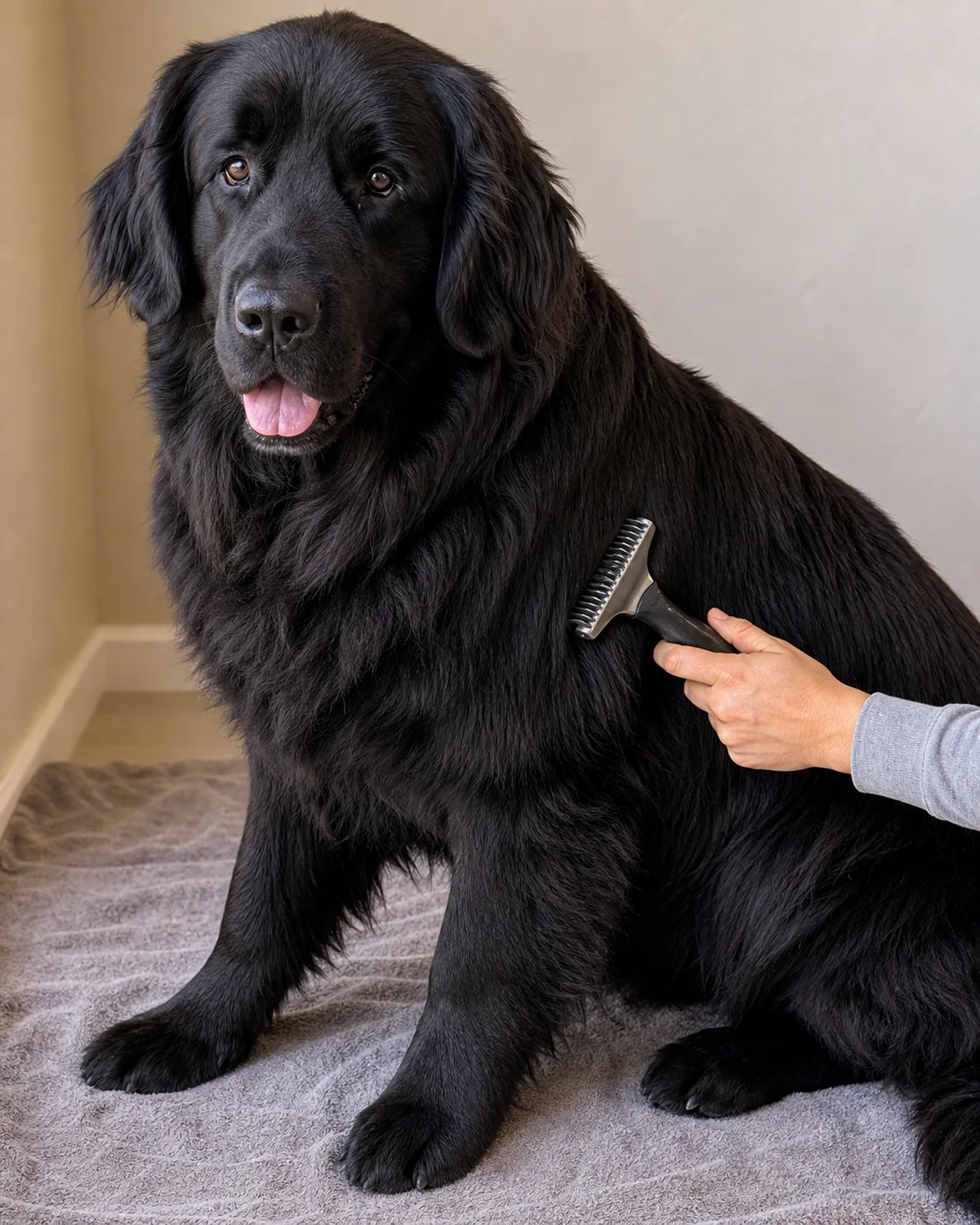
Work in sections rather than attacking the whole dog at once. Brush in the direction of hair growth first to clear any surface tangles, then go back over the same section against the lie of the coat with the undercoat tool, using short, gentle strokes to lift dead fur without scraping the skin underneath.
Dead undercoat sits below the visible topcoat, which is why a single quick pass over the surface only rearranges loose top hairs instead of pulling out the packed undercoat that is actually driving the mess.
Short strokes with frequent pauses to check the skin beat long, hard passes every time. If a section is not releasing fur easily, that is a signal to move to a different area and come back later, not to push harder.
The Bath-and-Blow Method for Heavy Shedders
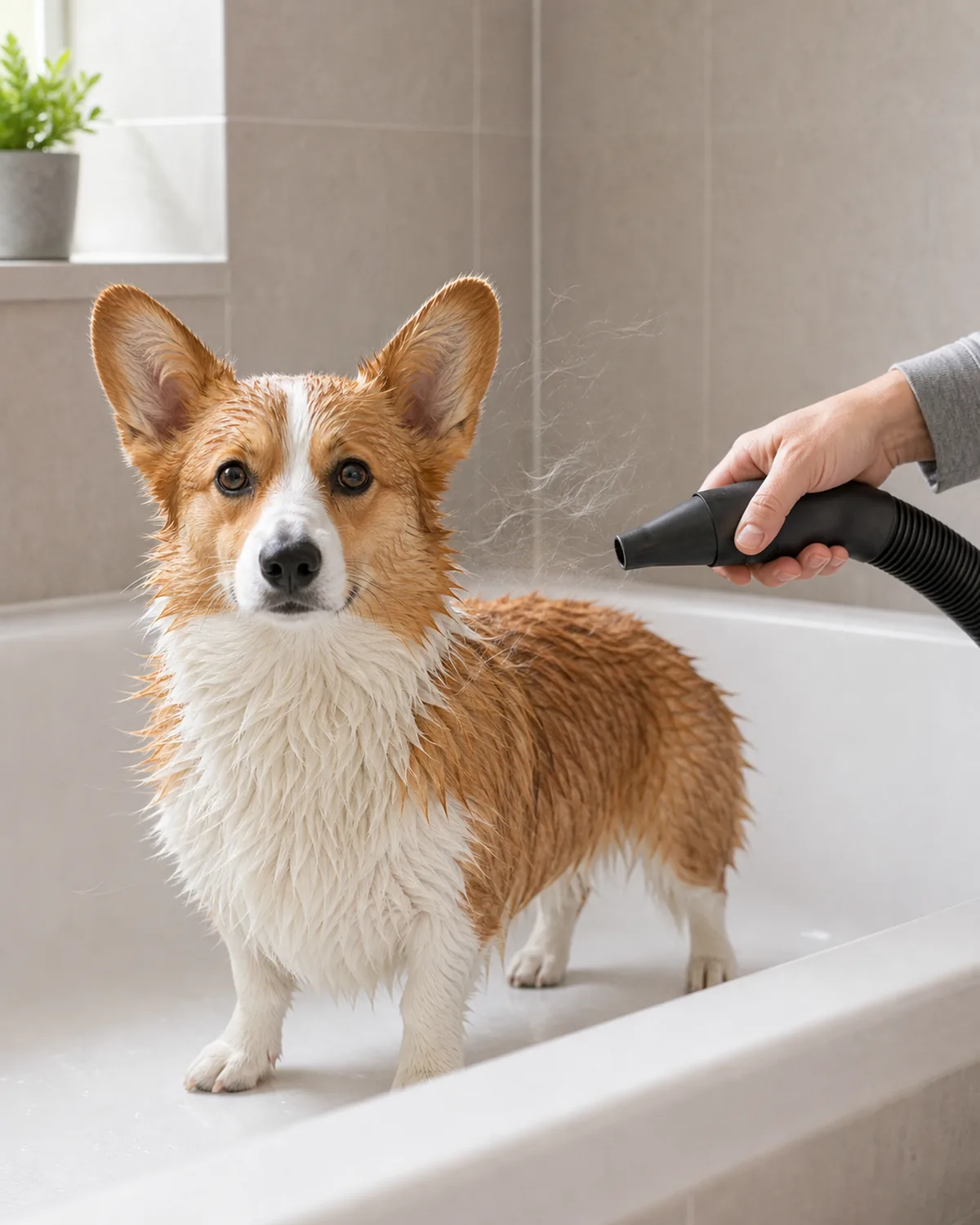
Bathing loosens dead undercoat right at the follicle, and following it with a high-velocity pet dryer — not a human hair dryer set to hot — physically blows the loosened fur out of the coat in volumes a brush alone cannot match.
Water and airflow reach undercoat layers that bristles never fully penetrate on a heavily coated dog, which is why this combination clears an actively blowing coat faster than any amount of brushing on a dry coat.
A human hair dryer on a hot setting can overheat skin that is used to being insulated by a full double coat. A dedicated pet dryer moves far more air at a cooler, safer temperature, which is the entire point of the method.
Most disappointing deshedding sessions come from one of these lines, not from a bad tool. Read both columns once before you start, and again if the fur keeps winning.
Always Do
- Match the tool to the coat — undercoat rake, curry mitt, or slicker.
- Work in sections, then go back against the lie of the coat with the tool.
- Bathe first if the coat is actively blowing, then follow with a pet dryer.
- Brush curly and low-shedding coats on a regular schedule, not just when matted.
- Step up frequency during the two-to-four-week seasonal blow window.
- Check the skin as you go, especially on short or thin coats.
- Call a veterinarian if shedding is sudden, patchy, or paired with irritation.
- Expect ongoing shedding as normal, not a problem to fully eliminate.
Never Don’t
- Never shave a double coat down to the skin to “solve” shedding.
- Never use a human hair dryer on a hot setting near the skin.
- Never drag an aggressive undercoat rake across a thin single coat.
- Never assume a curly coat isn’t shedding just because it isn’t on the floor.
- Never wait until the coat is fully matted before reaching for a tool.
- Never expect diet alone to stop a genuine seasonal coat blow.
- Never use scissors or clippers as a shortcut through a matted section.
- Never skip weeks of grooming and expect one long session to catch it up.
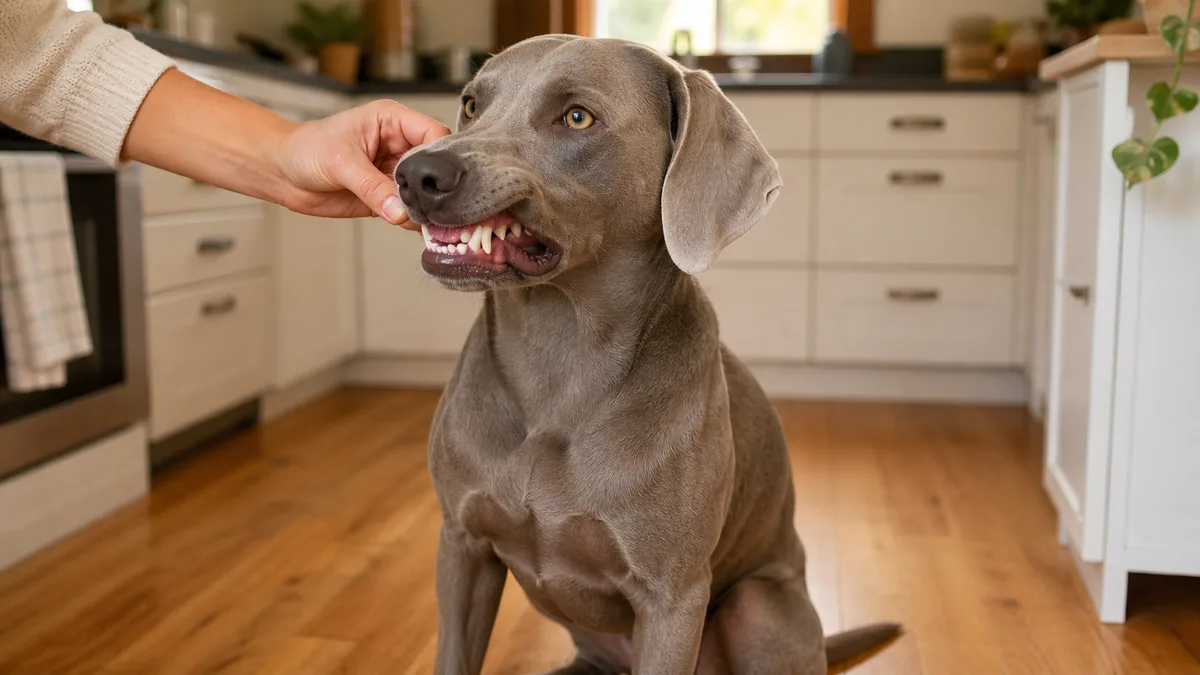
Short-Coated Dogs Shed Too: The Rubber Curry Mitt Routine
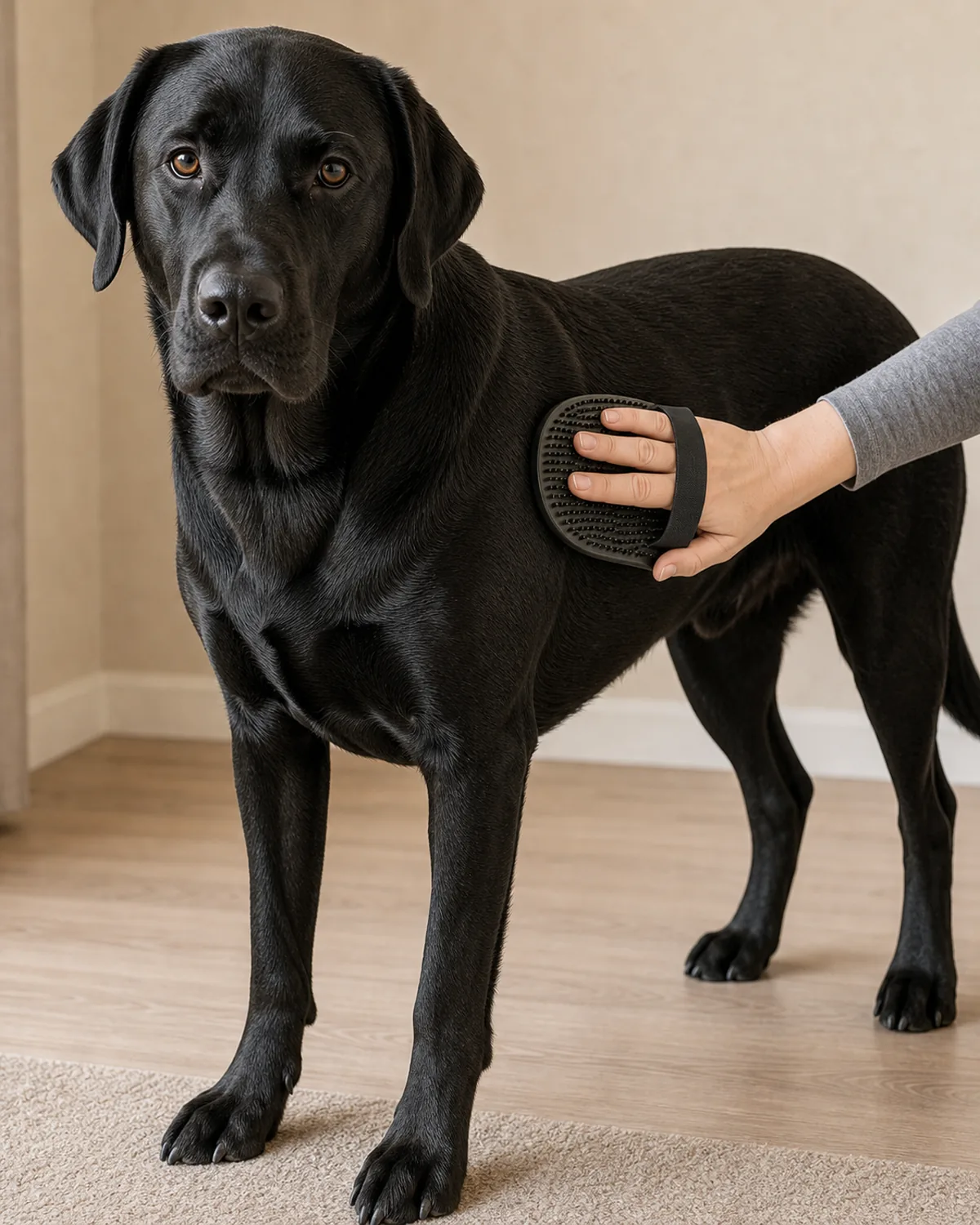
A rubber curry brush or grooming mitt, used in small circular motions, lifts loose short hairs and stimulates the skin underneath without needing an undercoat rake that would be too harsh for a coat this thin.
Short-coated dogs often shed just as much total hair as their long-coated counterparts — it just comes off in smaller, less obviously clumped pieces, which is exactly why owners of “low-maintenance” short-coated dogs frequently underestimate how much grooming the coat actually needs.
A few minutes of curry-mitt circles every couple of days does more for a short coat than an occasional long session ever will, mostly because it catches the loose hair before it makes it to the floor at all.
Curly and Low-Shedding Coats Still Need Deshedding
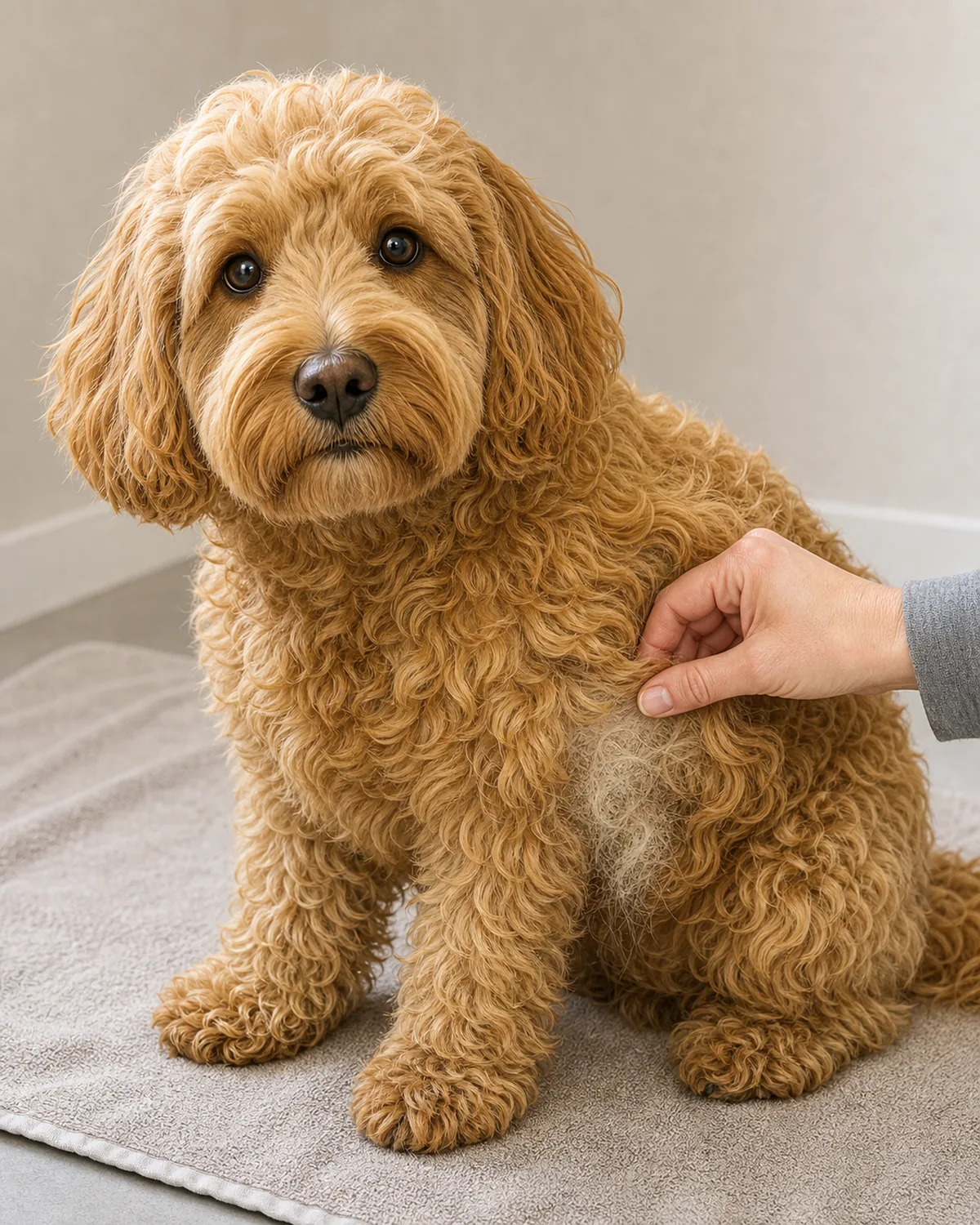
Curly and wavy coats trap shed hair inside the curl itself instead of releasing it onto the floor, which feels like less shedding but is actually building toward mats and skin problems underneath if the coat is not brushed out on a regular schedule.
“Low-shedding” describes where the fur ends up, not whether the dog is producing less dead hair in the first place. Regular brushing with a slicker or pin brush is what moves that trapped hair out before it has a chance to compact against the skin.
Skipping sessions because a curly coat “doesn’t seem to shed much” is one of the more common ways a manageable coat turns into a matted one over a few missed weeks.
Diet and Coat Health: What Actually Affects Shedding
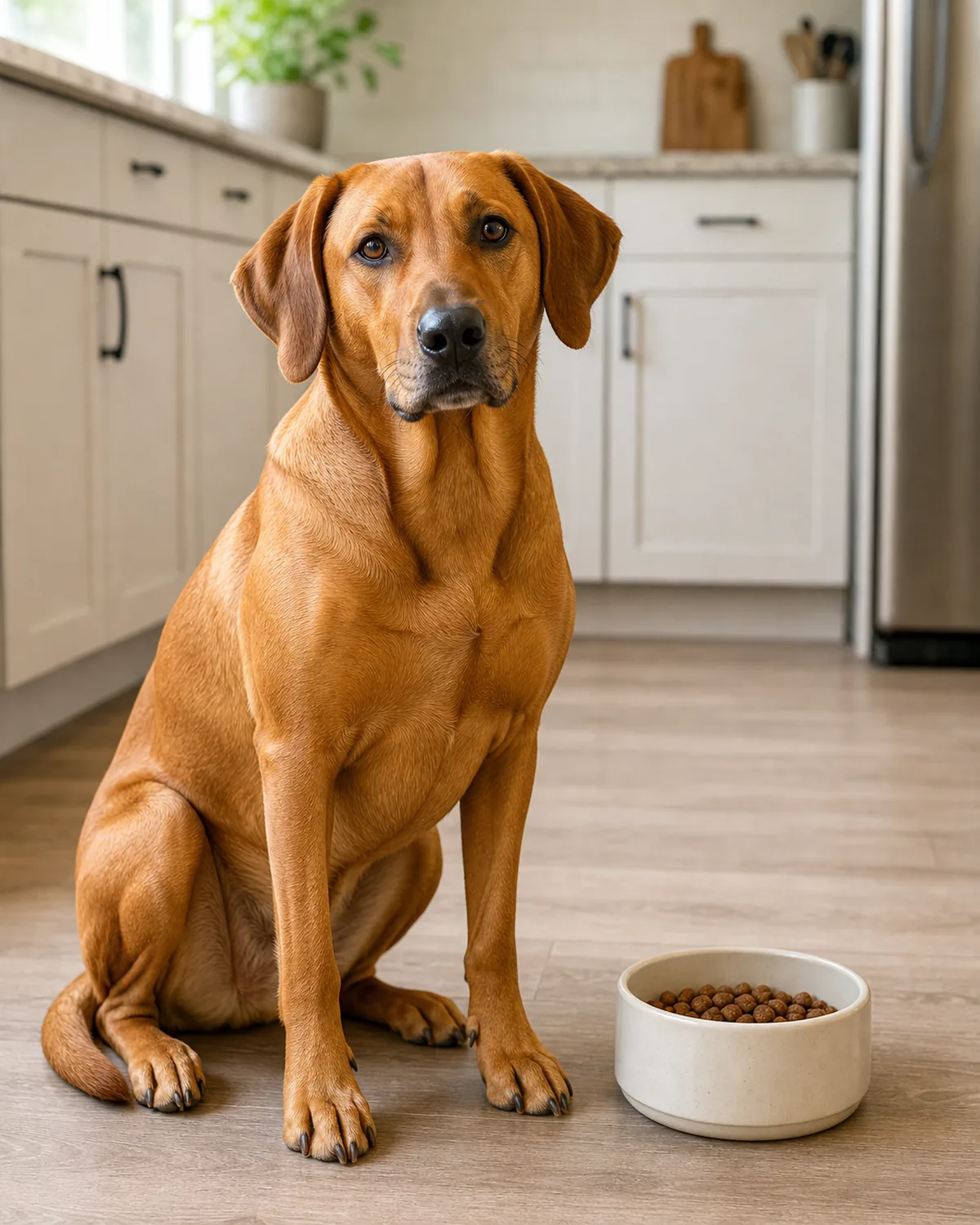
A complete, balanced diet with adequate protein and the right balance of omega-3 and omega-6 fatty acids supports a healthy coat and skin barrier, which can meaningfully reduce excessive or brittle shedding tied to a genuine nutritional gap.
What diet will not do is stop normal seasonal shedding or override genetics. Treating food as the fix for a heavy seasonal coat blow usually ends in disappointment, because diet supports coat quality — the shine, the strength of the hair shaft — not the shedding cycle itself.
If a dog’s coat looks dull or brittle on top of heavy shedding, diet is worth a look. If the dog is only blowing a normal seasonal coat, tools and technique do the work, not a different bag of food.
Deshedding Quick Checklist
Keep this nearby — it covers the core moves, not a substitute for reading your own dog’s specific coat.
- Identify the coat type first: double, single, or curly/low-shedding.
- Match the tool — undercoat rake, rubber curry mitt, or slicker brush.
- Work in sections, then go back against the lie of the coat.
- Bathe first, then use a high-velocity pet dryer for heavy shedders.
- Step up frequency during the two-to-four-week seasonal blow.
- Brush curly coats on a regular schedule even if little seems to shed.
- Never shave a double coat down to the skin to speed up shedding.
- Check with a vet if shedding looks sudden, patchy, or irritated.
This is general guidance, not a substitute for a veterinarian if your dog’s shedding looks abnormal or is paired with skin irritation.
PAWLIQA · DOG GROOMING
How Often to Deshed: Building a Season-Based Routine
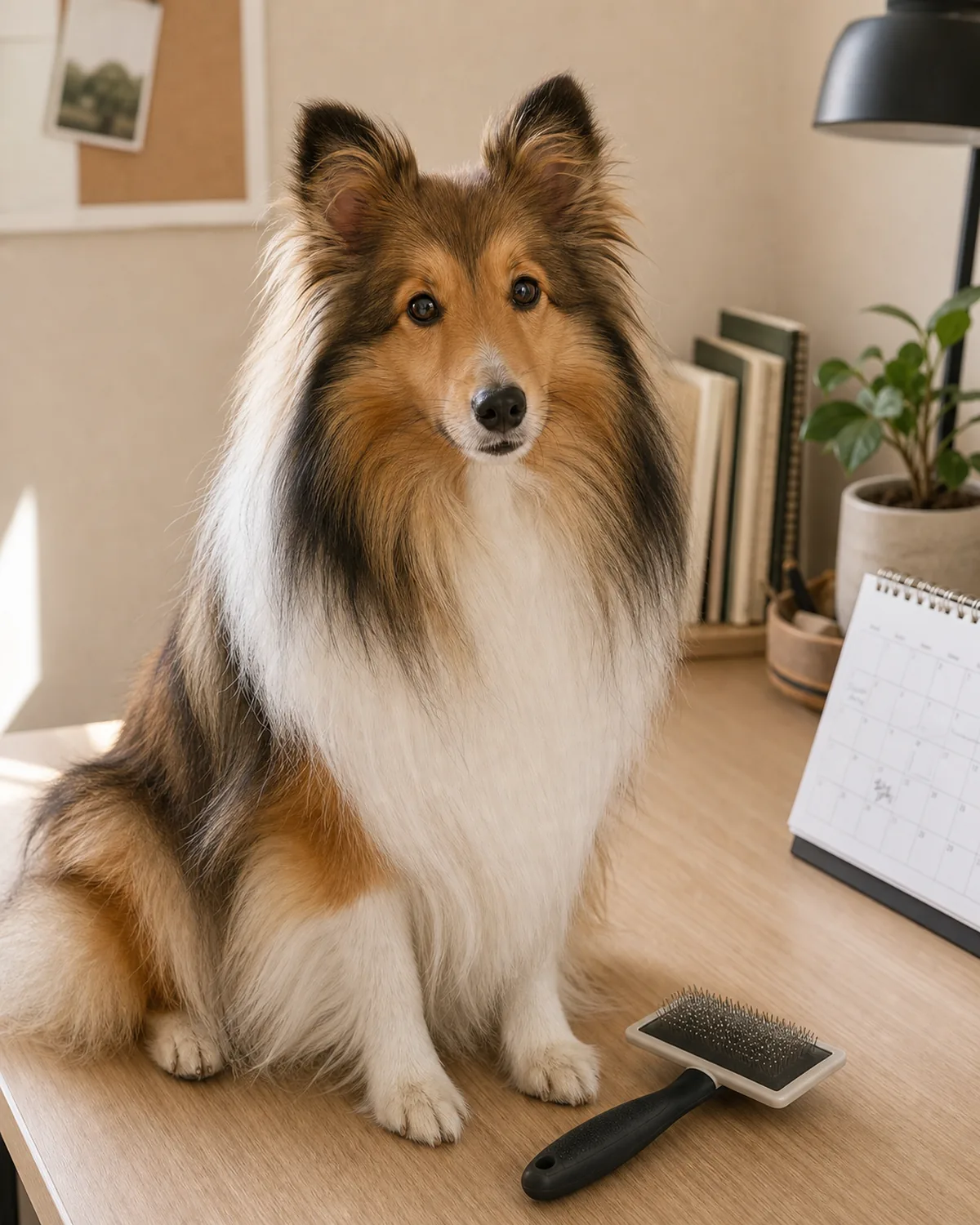
Double-coated dogs typically need deshedding two to three times a week during a seasonal blow and about once a week the rest of the year. Short and curly coats generally do better with a shorter, more frequent routine — a few minutes every day or two — rather than one long marathon session.
Short, frequent sessions keep loose fur from accumulating into mats or turning into an overwhelming weekend project, and matching frequency to coat type prevents both the under-grooming that leads to mats and the over-brushing that irritates skin.
A rough seasonal calendar works better than waiting for the fur to become a visible problem before reaching for a tool.
The “Never Shave a Double-Coated Dog” Myth
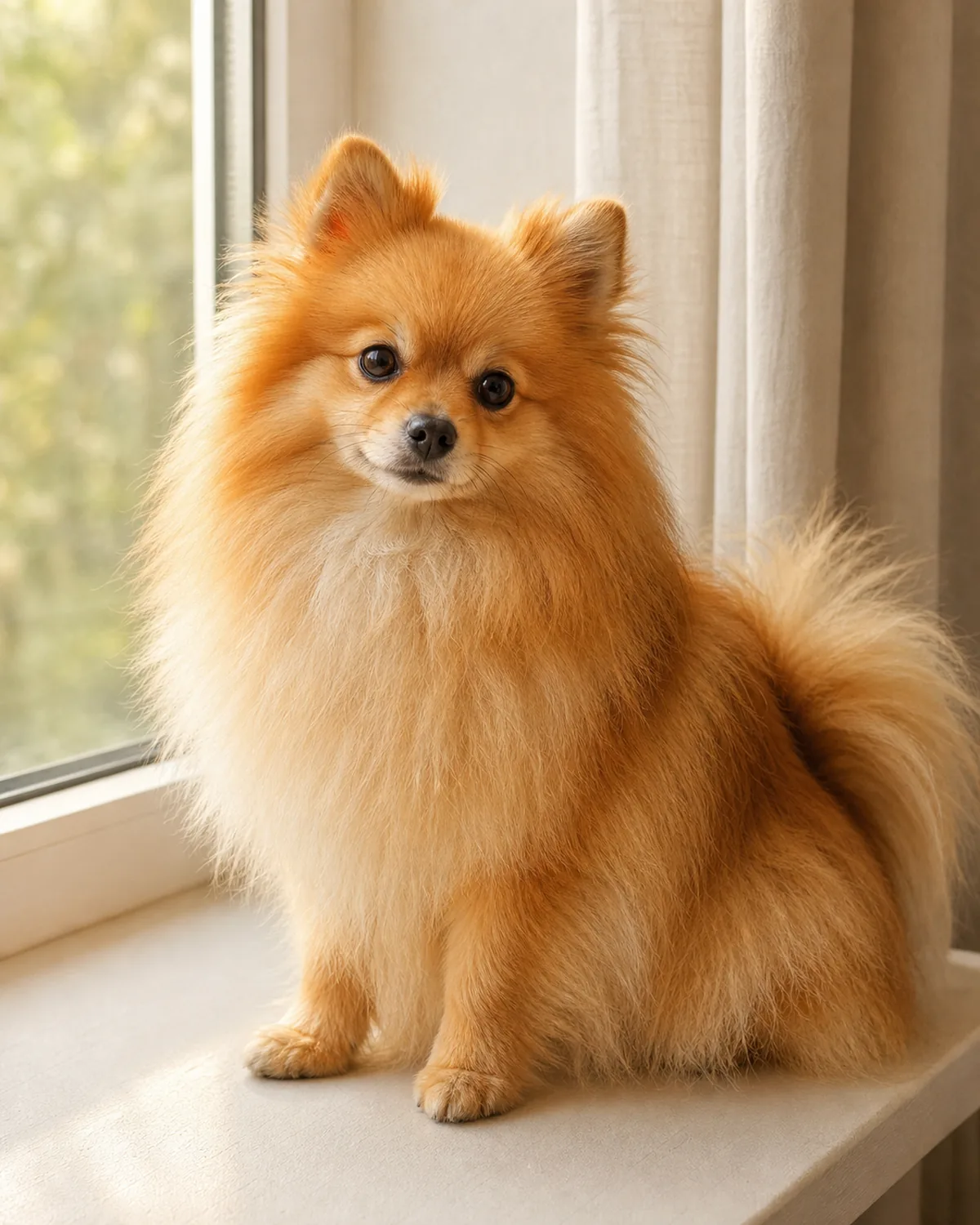
Shaving a double coat down to the skin does not reliably speed up shedding or meaningfully cool the dog down, and the regrowth can come back patchy, texture-altered, or uneven for months because shaving disrupts the coat’s natural growth cycle.
The double coat itself provides insulation against both heat and cold, plus a real layer of UV protection. Removing it typically trades a manageable shedding problem for a longer-term coat and skin-protection problem that takes much longer to fix than it took to create.
If summer heat is the concern driving the urge to shave, proper deshedding accomplishes the actual goal — clearing the trapped undercoat — without any of the regrowth risk.
When Shedding Signals Something Else: The Vet-Visit Line
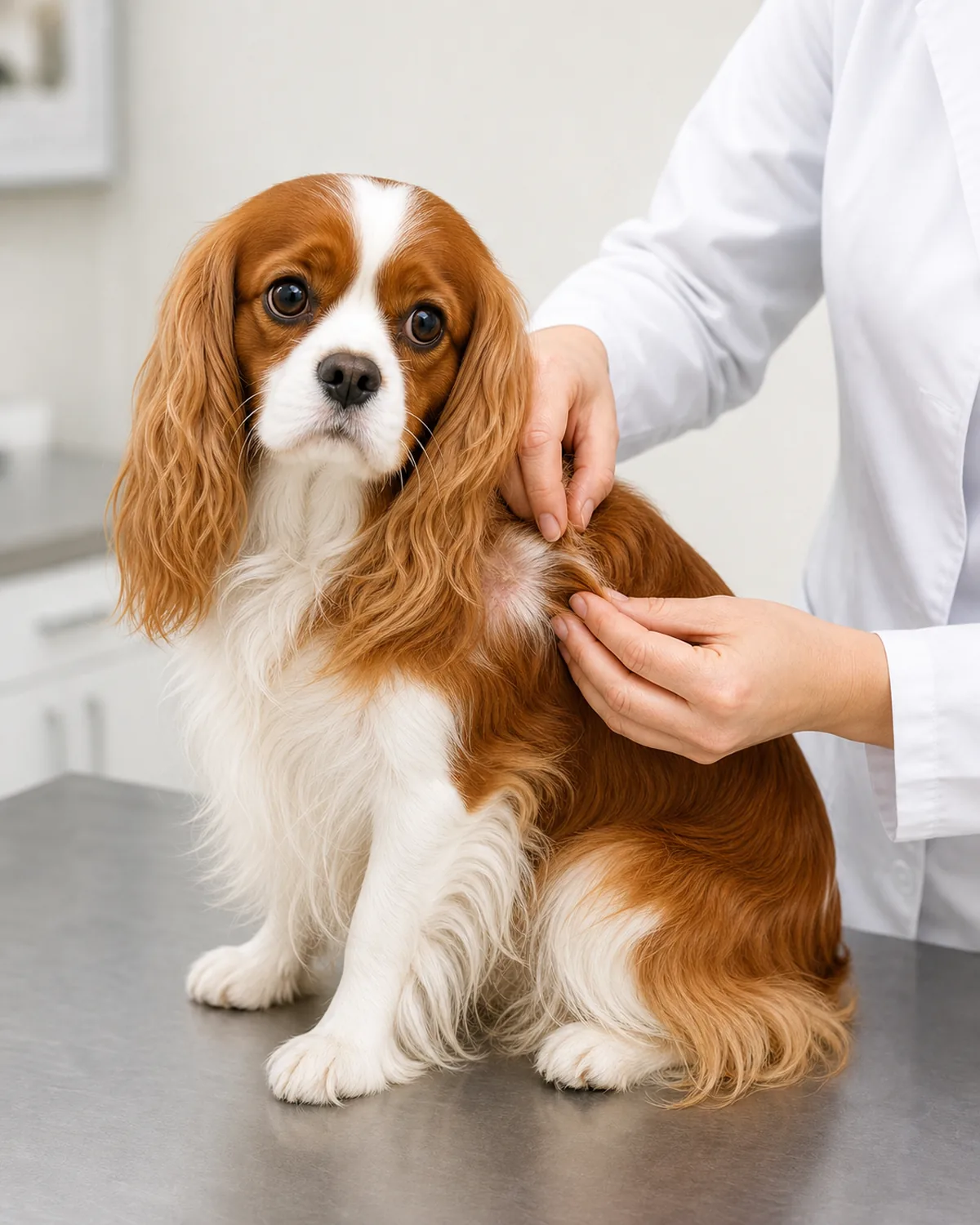
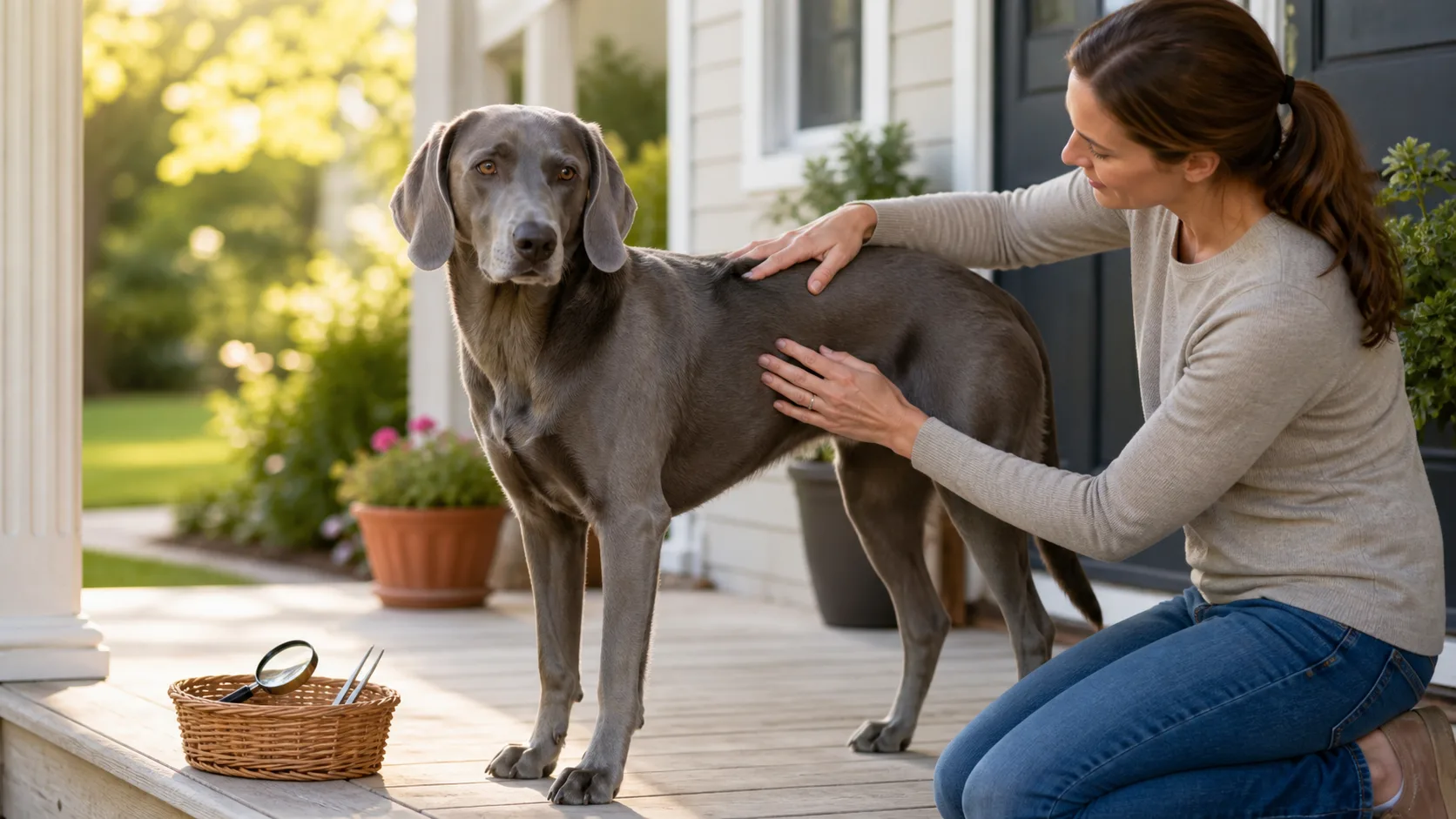
Sudden shedding well outside the normal seasonal pattern, bald or thinning patches, red or flaky skin, or shedding paired with excessive scratching or licking can point to allergies, parasites, or a hormonal or thyroid issue rather than an ordinary coat blow.
A deshedding tool and a solid routine only address normal seasonal and baseline shedding. A pattern that looks abnormal — patchy instead of even, sudden instead of gradual, paired with skin irritation instead of just volume — is a signal to check in with a veterinarian rather than reach for a harsher brush.
Most shedding is just shedding. But the exceptions are worth catching early rather than grooming through.
The Deshedding Mistakes That Make the Mess Worse
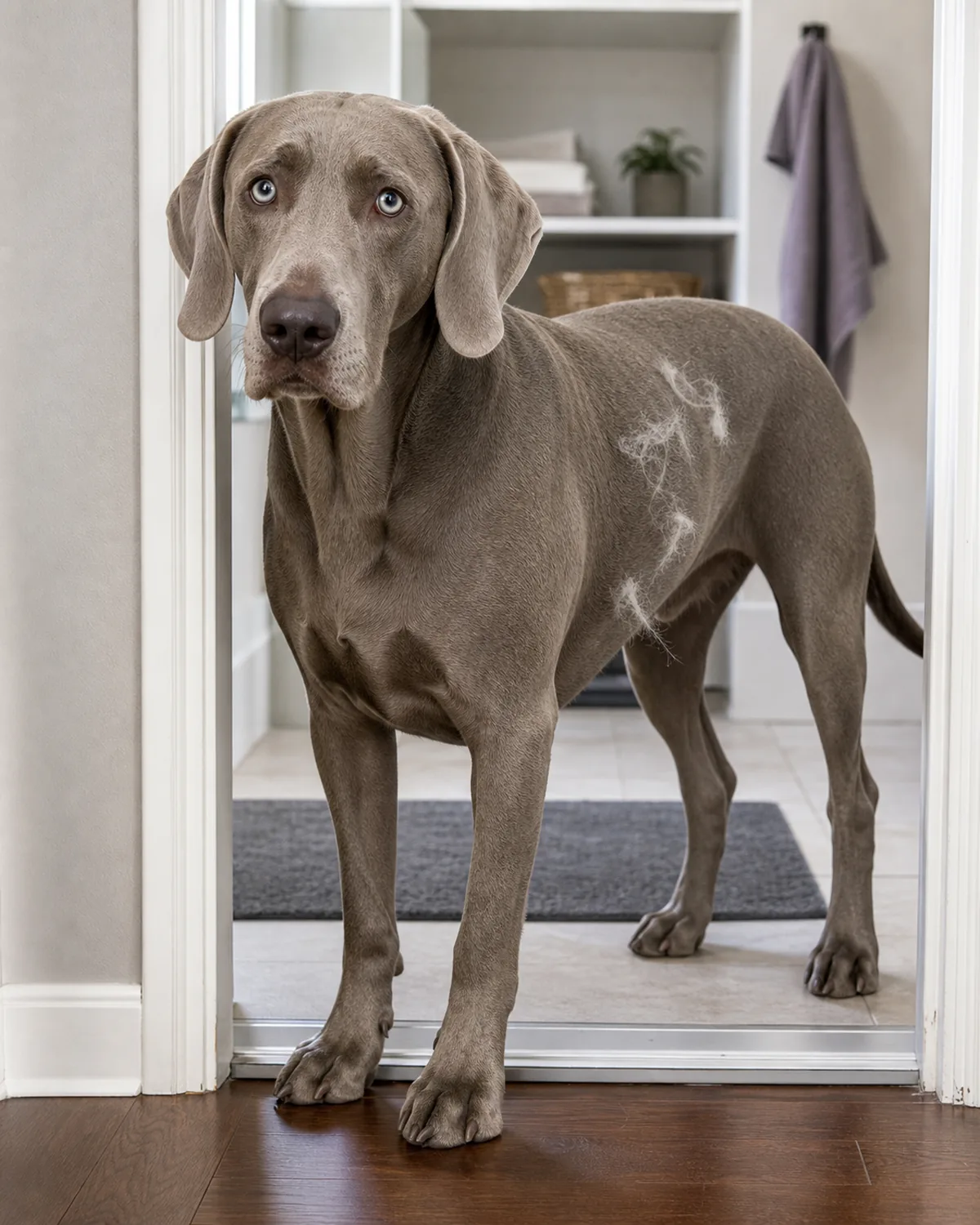
A handful of habits show up again and again, and each one makes the fur problem worse instead of better.
Mistake 1: Brushing Only the Top Layer
Going over the surface once and calling it done leaves the real source of the mess — the packed undercoat underneath — completely untouched. The visible topcoat was never where most of the shedding fur was actually coming from.
Mistake 2: Using a Human Hair Dryer on Hot
A hair dryer built for human hair and human heat tolerance can overheat and dry out a dog’s skin rather than gently lifting fur the way a proper high-velocity pet dryer does. The setting matters as much as the tool.
Mistake 3: Waiting Until the Coat Is Matted
Skipping sessions until the coat is fully matted, then reaching for scissors or clippers as a shortcut, risks nicking skin that is hidden under packed fur and often out of view until it is too late. A little deshedding often beats a lot of deshedding rarely.
— Jess Calloway has three very different coats to manage at home — one that blows out twice a year like clockwork, one that barely seems to shed at all until you check the vacuum canister, and one that is somewhere in between — and she still runs the undercoat rake more often than she’d like to admit.
Jess is a dog mom of three, and all three coats shed on completely different schedules — which is exactly why she stopped using one brush for every dog and started matching the tool to the coat. This guide covers why dogs shed, double coats vs. single coats, reading a seasonal coat blow, the right tool for the right coat, the deshedding technique that actually works, the bath-and-blow method, short coats that shed too, curly and low-shedding coats, diet and coat health, how often to deshed, the never-shave myth, when shedding signals something else, and the mistakes that make the mess worse. Pawliqa is not a substitute for veterinary care — if your dog’s shedding looks sudden, patchy, or paired with skin irritation, a veterinarian can rule out an underlying cause faster than grooming through it. Visit the About page.