How to Stop a Dog From Begging for Food
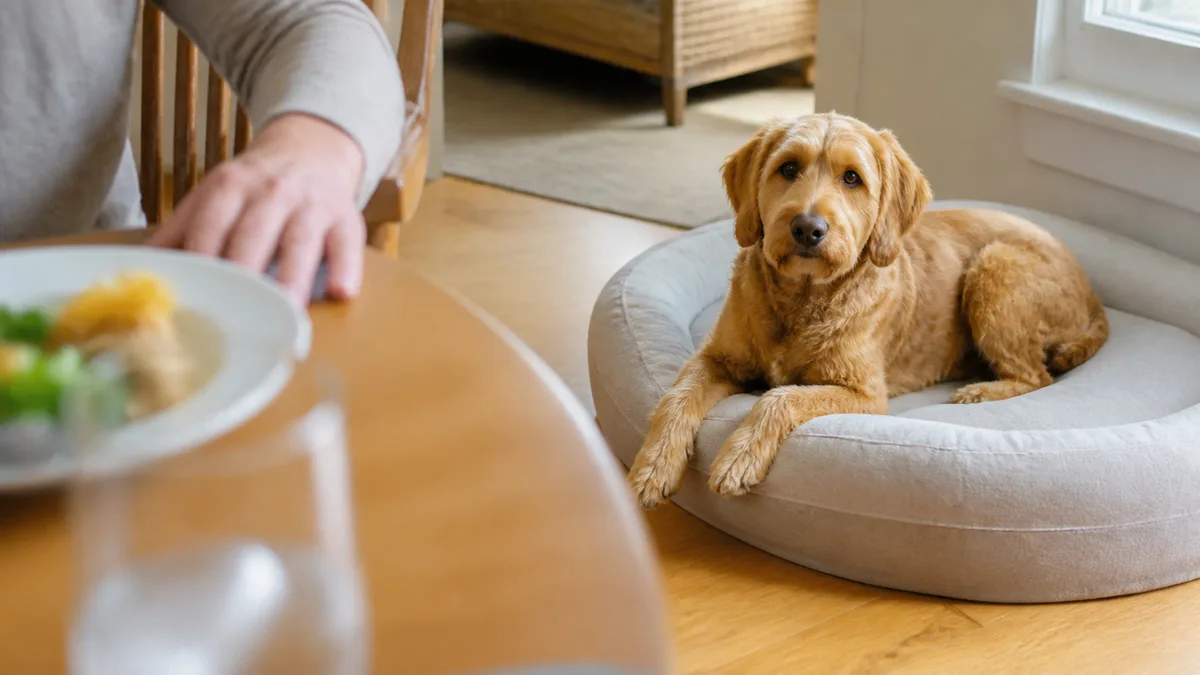
Twelve practical ways to stop a dog from begging for food, from place training and mealtime management to guest protocols that keep your dog calm around the dinner table.
Read the guide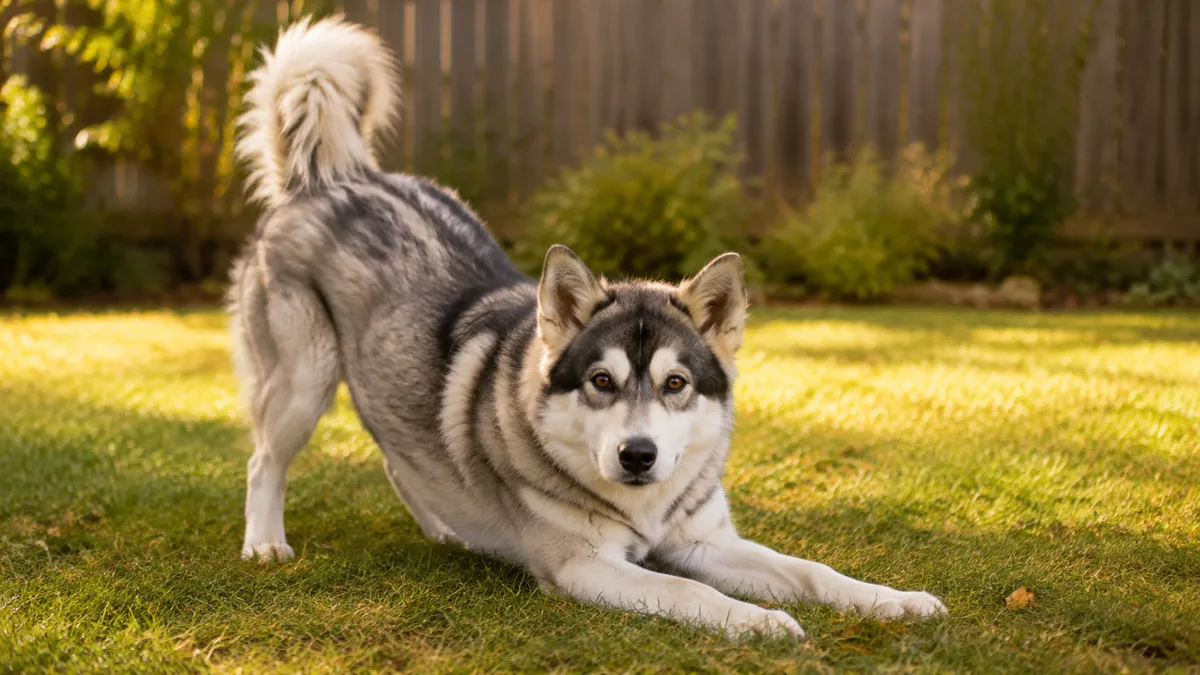
My youngest dog once yawned twelve times in a row at the vet. I assumed she was tired. She was not. She was telling me she wanted to leave, and I missed it because I did not know that yawning outside of bedtime is a stress signal.
Most dog owners read tails and stop there. Tails are only one channel. Dogs communicate with their ears, eyes, mouth, posture, and muscle tension. Read the full picture and you stop guessing.
Here are twelve dog body language signals that come up almost daily, what each one really means, and how to respond.
From a slow cautious tail wag to a full body shake-off after a stressful moment, these twelve signals tell you what your dog is feeling before they ever bark or whine. Jump to any signal to see what it means and how to respond.
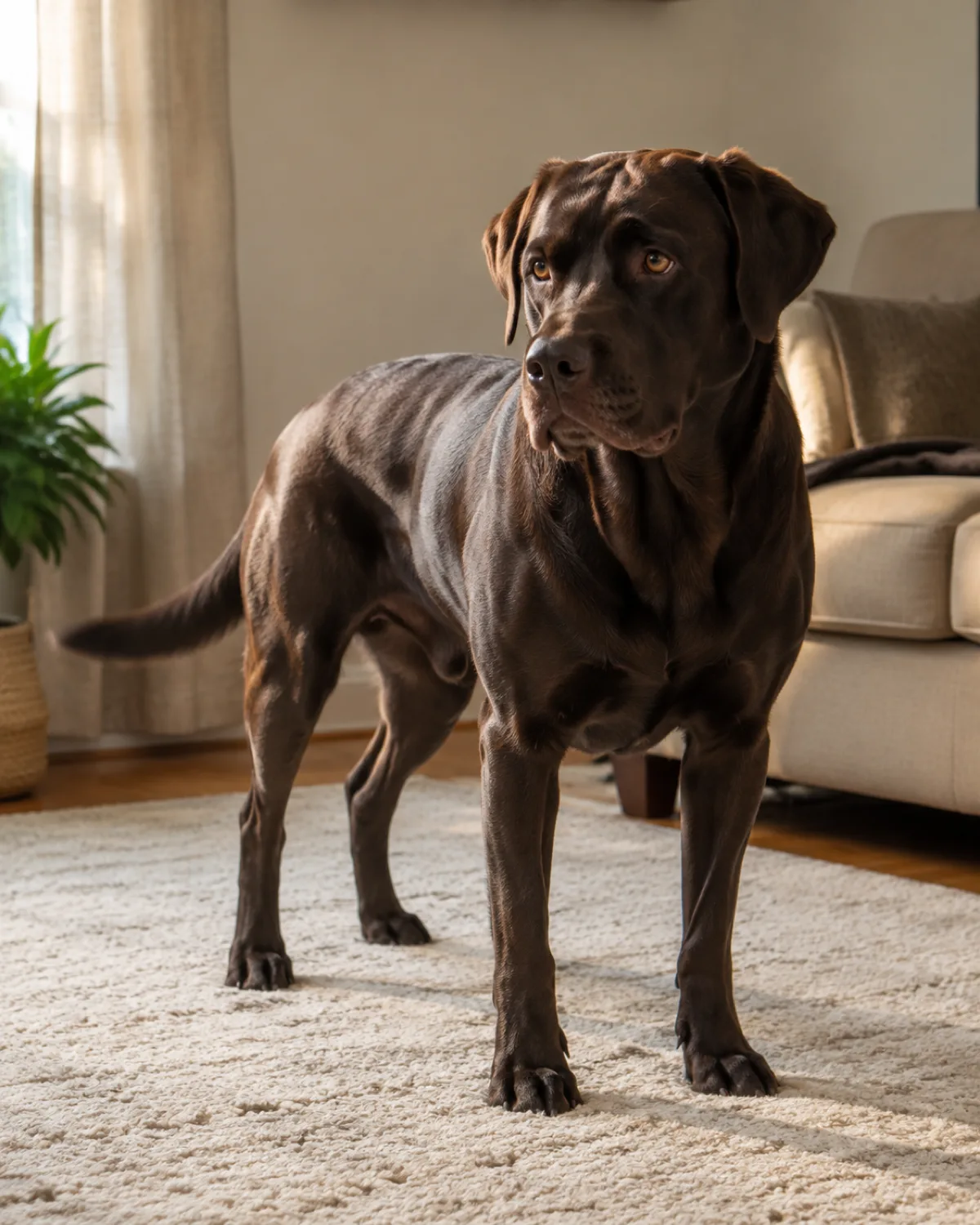
A wagging tail does not always mean a happy dog. The speed, height, and stiffness of the wag change its meaning completely.
A slow wag held low — somewhere around hock level or below — usually means the dog is unsure about what is happening. The tail is moving because the dog is processing, not because the dog is excited. You will often see this when a dog meets a new person they have not decided to trust yet or when they walk into an unfamiliar room.
The response that helps most is to give the dog space and let them approach on their own timeline. Reaching toward a dog who is doing a slow, low wag puts pressure on them to make a decision before they are ready. Stand still, turn your body slightly to the side, and wait.
Not every signal requires you to do something. Some call for space, some call for redirection, and some mean your dog is perfectly fine.
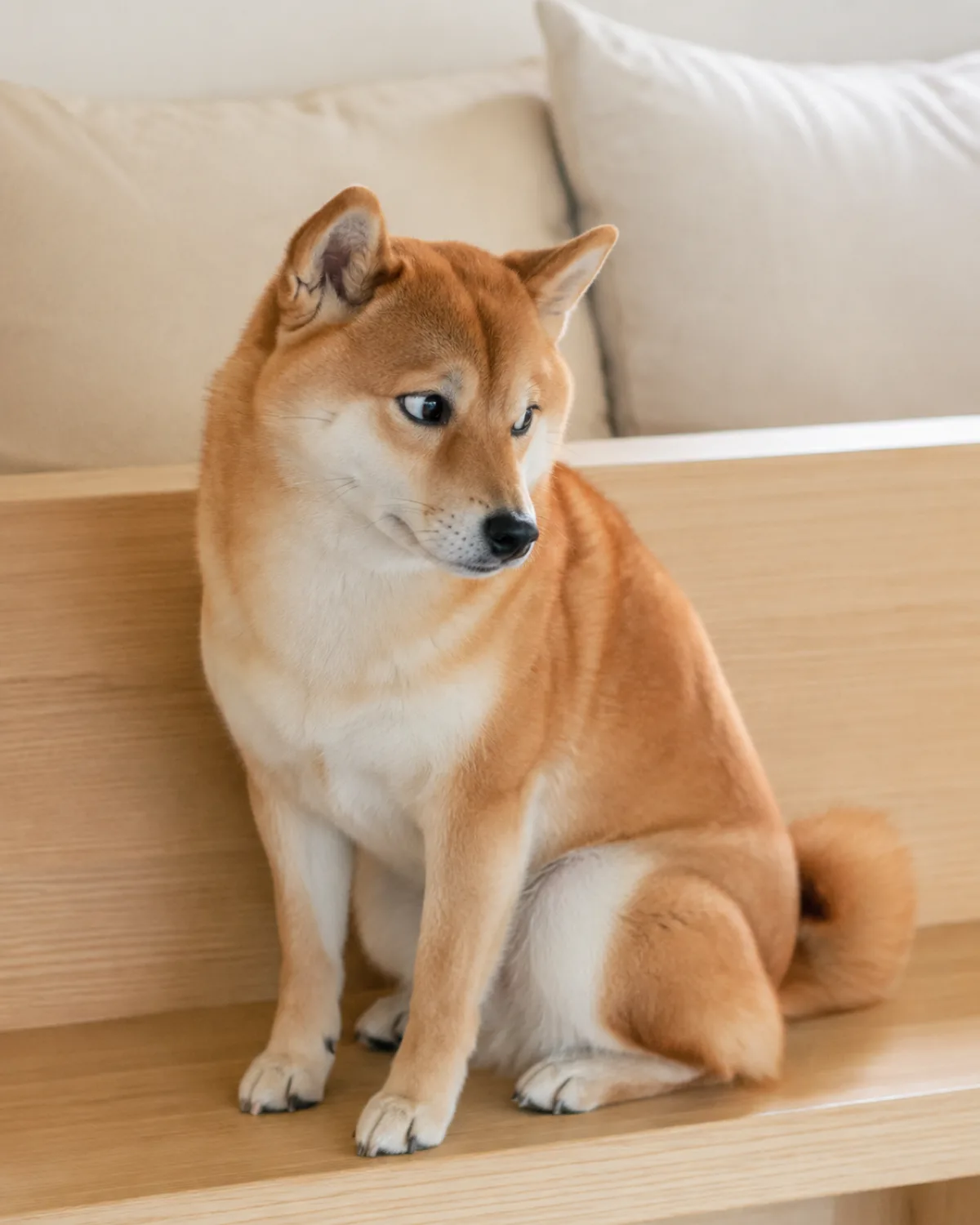
Whale eye is the term for when a dog turns their head away from something but keeps their eyes locked on it, showing a crescent of white sclera along the outer edge. It looks like a side-eye, and it carries roughly the same emotional weight.
This signal almost always means the dog is uncomfortable with something nearby. The head-turn is an attempt to create distance without actually moving. The locked gaze is the dog keeping tabs on whatever is making them uneasy.
When you see it, remove the source of pressure. If a toddler is reaching for the dog, guide the child away. If another dog is hovering, call your dog out of the situation. Ignoring whale eye is how bites happen — the dog has already told you they want space.
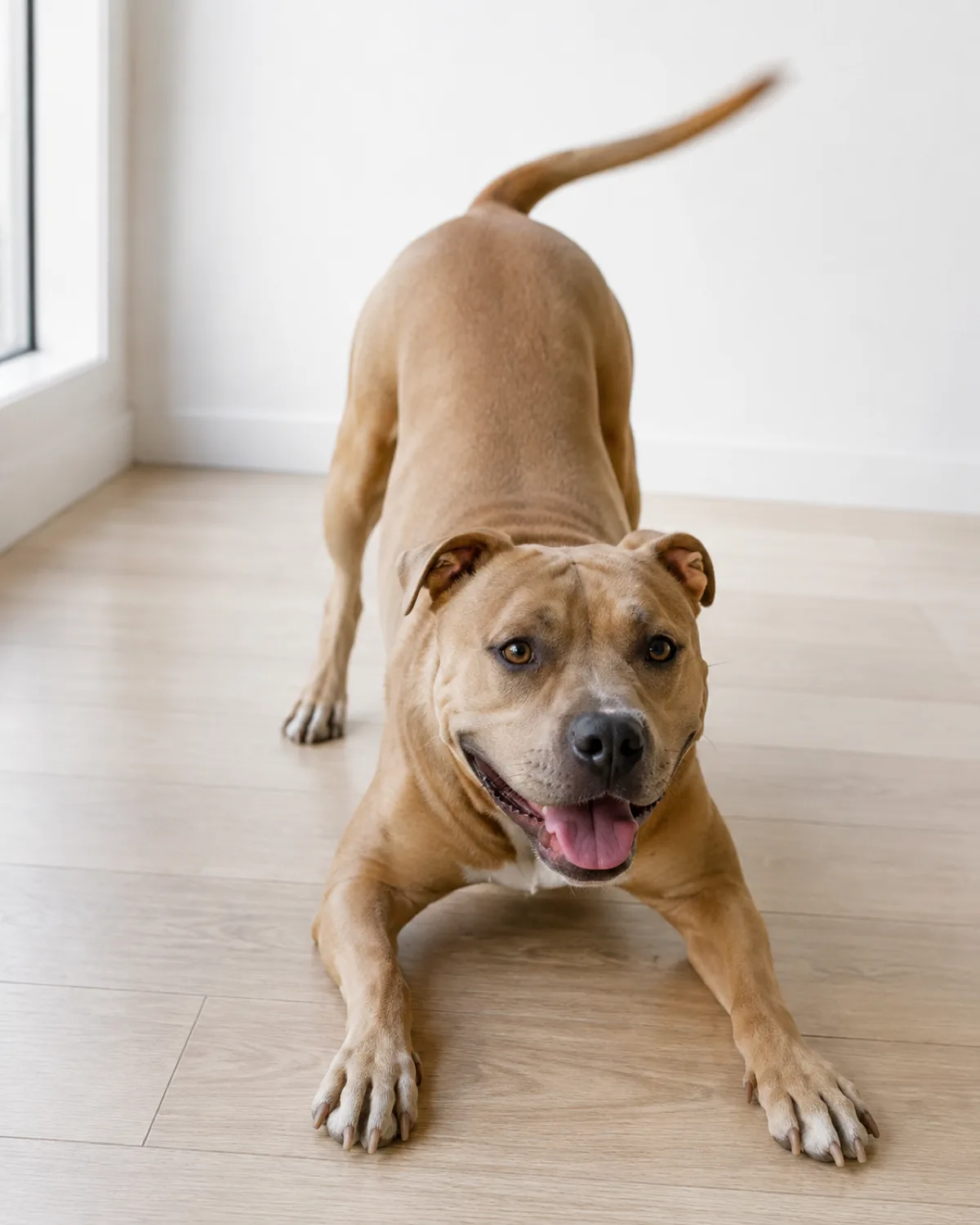
The play bow is one of the clearest signals in the entire dog vocabulary. Front legs drop flat, chest touches or nearly touches the ground, and the rear end stays up with the tail wagging. It means one thing: let us play.
Dogs use it with other dogs, with humans, and sometimes with objects they find exciting. The movement is deliberate and bouncy, almost always paired with a loose, wiggly body and an open mouth.
The play bow is also a reset button. During rough play between two dogs, one will often drop into a bow to signal that the roughness is still play, not a fight. If the bows stop coming during a wrestling match, the interaction may be shifting from play to conflict.
If your dog bows at you, the best response is to play. Toss a toy, crouch down, or mirror the energy. Ignoring a play bow repeatedly teaches the dog to stop asking, which can make them harder to engage later when you actually want to play.
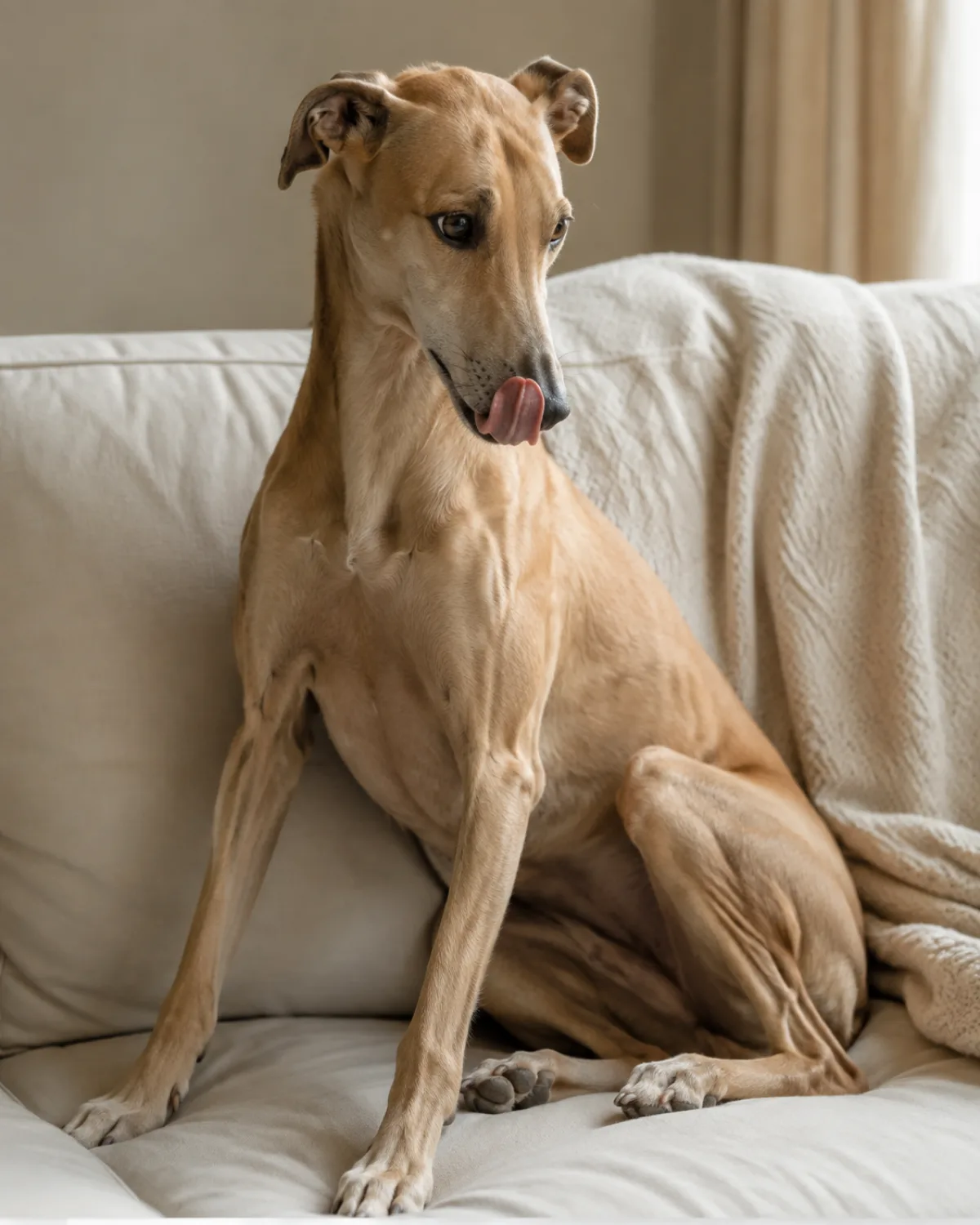
A quick tongue flick across the lips when no food is present is a calming signal. The dog is trying to de-escalate a situation that feels tense to them, even if you do not perceive any tension at all.
You will see this in the vet waiting room, during a thunderstorm, when a stranger bends down to pet them, or when two dogs are having a standoff that neither wants to turn into a confrontation. The lick is brief — just a flash of tongue across the nose or upper lip — and easy to miss if you are not watching for it.
The most useful response is to notice what happened right before the lick and reduce that pressure. If you were staring directly into your dog's eyes, look away. If a stranger was reaching for them, step between. The dog is asking for a softer interaction, and honoring that request builds trust.
Individual signals only make sense when you read them in context. These three rules prevent the most common misreads.
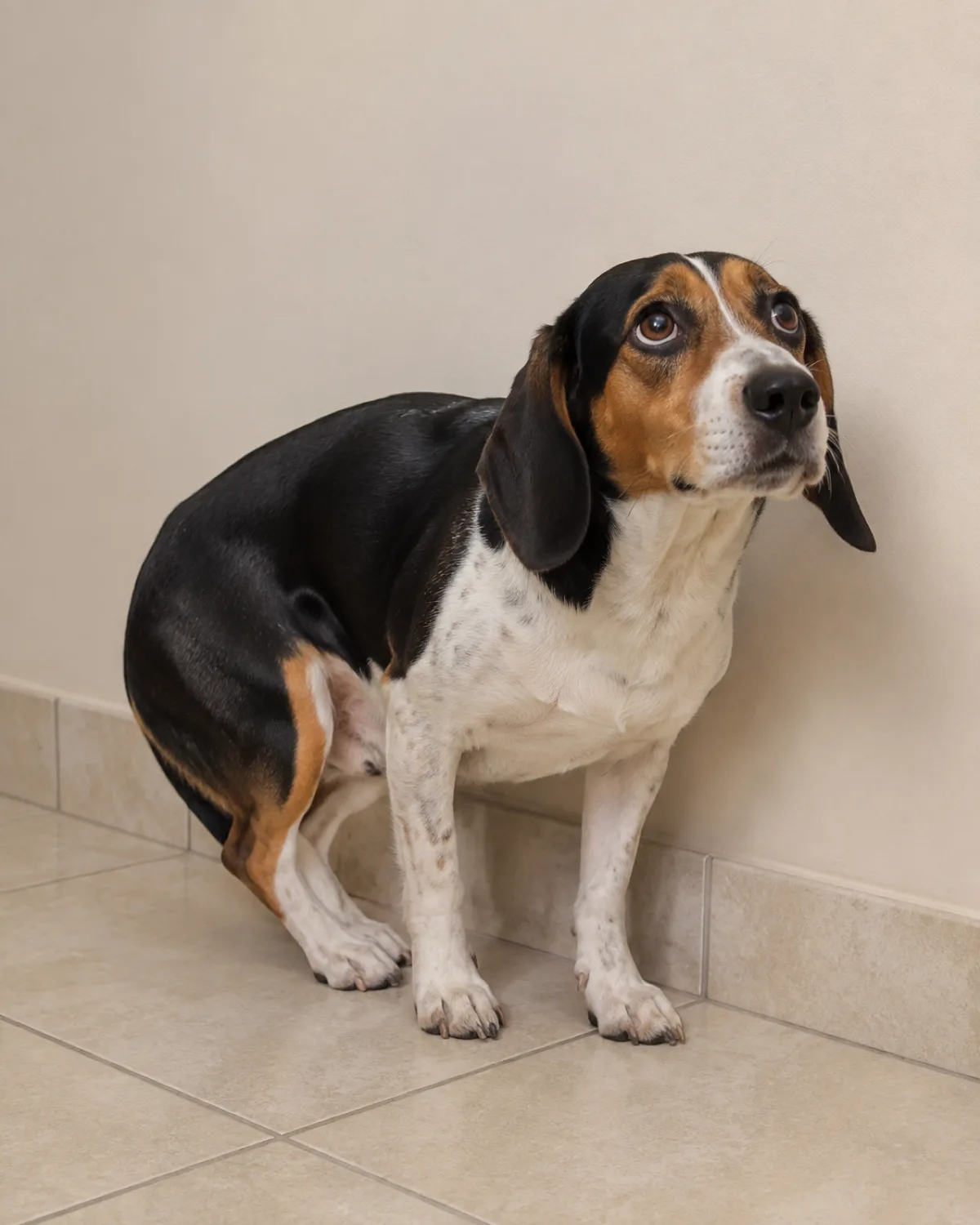
A tail tucked between the legs or pressed flat against the belly is one of the most recognizable fear signals in dogs. The tighter the tuck, the more intense the fear.
This is not nervousness in the casual sense. A tucked tail means the dog wants to be smaller, less visible, less threatening — anything to reduce the perceived danger. The posture often comes with a lowered body, flattened ears, and avoidance of eye contact.
When you see a tucked tail, your job is to reduce whatever is causing the fear. That might mean leaving the park, moving away from the other dog, or stopping whatever handling you were doing. Forcing a fearful dog to stay in the situation does not teach them to cope — it teaches them that you will not help when they ask.
Dogs who struggle with new environments during socialization often show a tucked tail as one of the first signs that the outing is too much too fast.
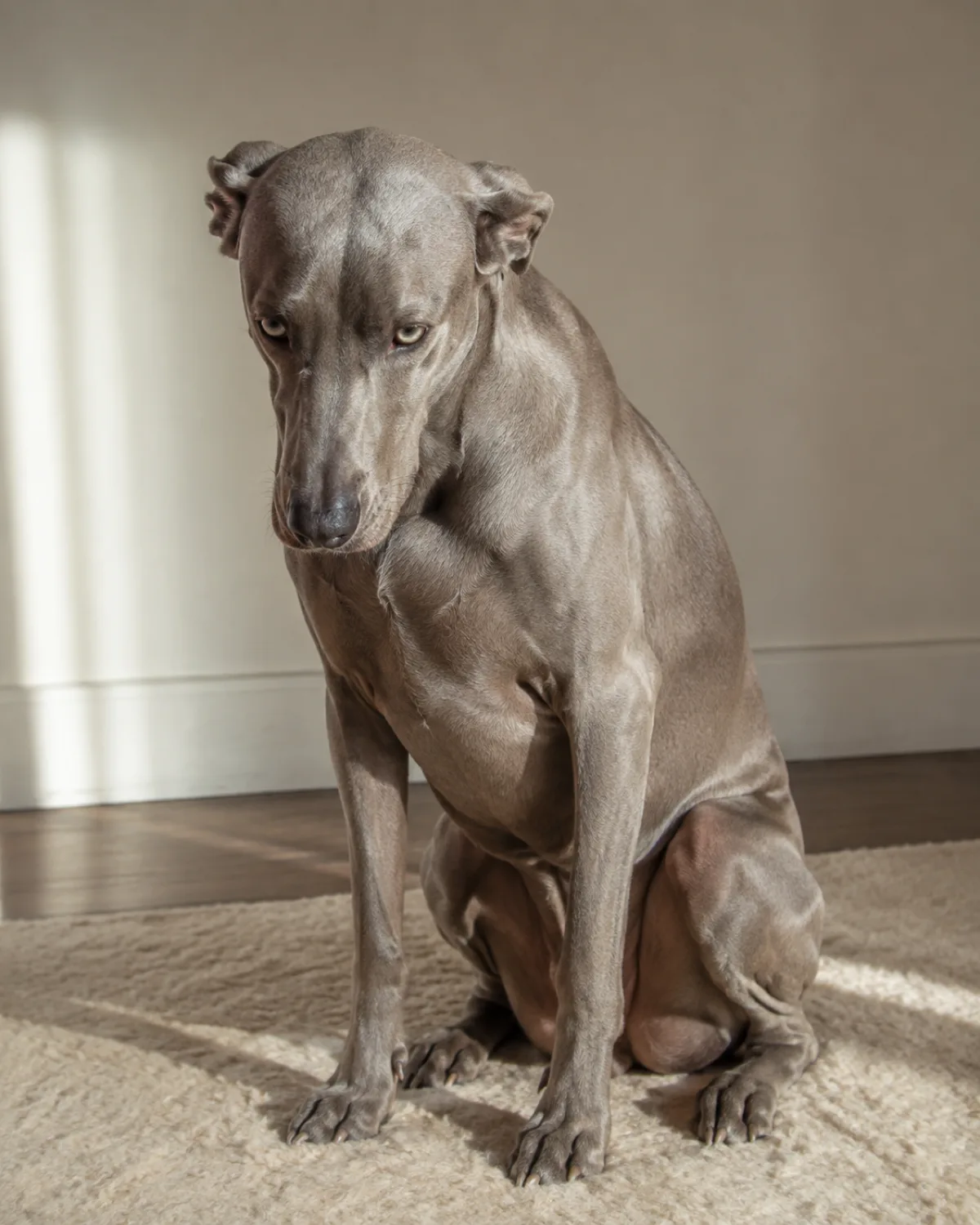
Ears that are pressed flat against the skull usually mean the dog is anxious, submissive, or in pain. The position is the opposite of the alert, forward-facing ears you see when a dog is confident and curious.
Context changes the meaning. A dog who pins their ears while wiggling toward you with a loose body is being submissive in a friendly way. A dog who pins their ears while crouching with a tucked tail is scared. A dog who pins their ears while stiffening and staring is warning you to back off.
The ear position also shifts during routine handling. If your dog pins their ears every time you reach for their collar, clean their ears, or brush a certain area, they may be experiencing discomfort in that spot. A vet check is worth doing if the pinning is new or suddenly more frequent.
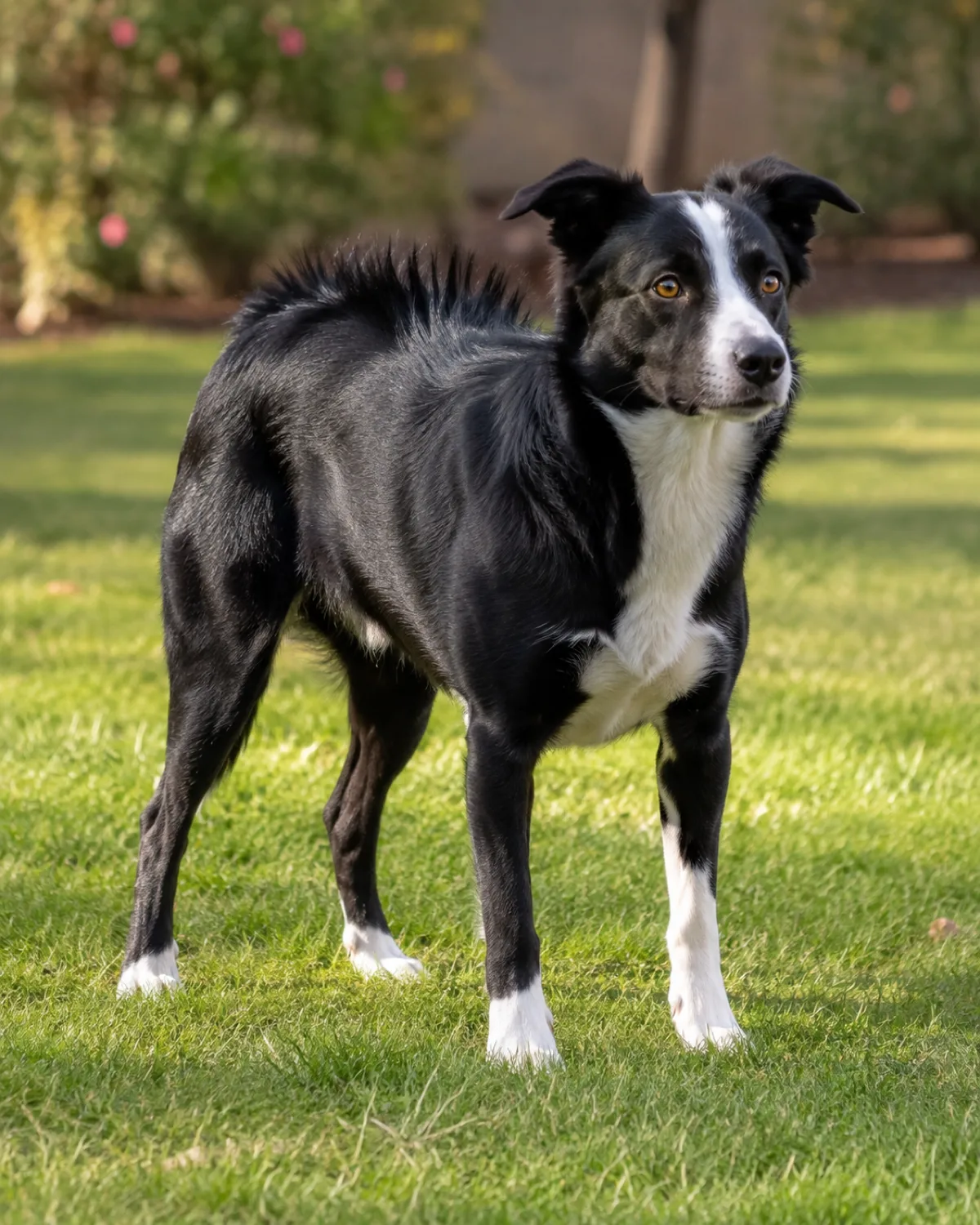
Raised hackles — the strip of fur along the spine that stands up — are an involuntary response to arousal. The dog is not choosing to do it any more than you choose to get goosebumps.
The most common misread is calling raised hackles aggression. Arousal is not the same as aggression. A dog can raise their hackles because they are excited, nervous, curious, startled, or afraid. The hackles tell you the dog's nervous system has kicked into a higher gear. The rest of the body tells you why.
When you see raised hackles, slow everything down. If your dog is on leash, stop walking and give them a moment to process whatever triggered the response. If you are at the park and another dog is the trigger, calmly increase the distance. The goal is to bring the arousal level down before the dog has to make a decision about what to do with all that energy.
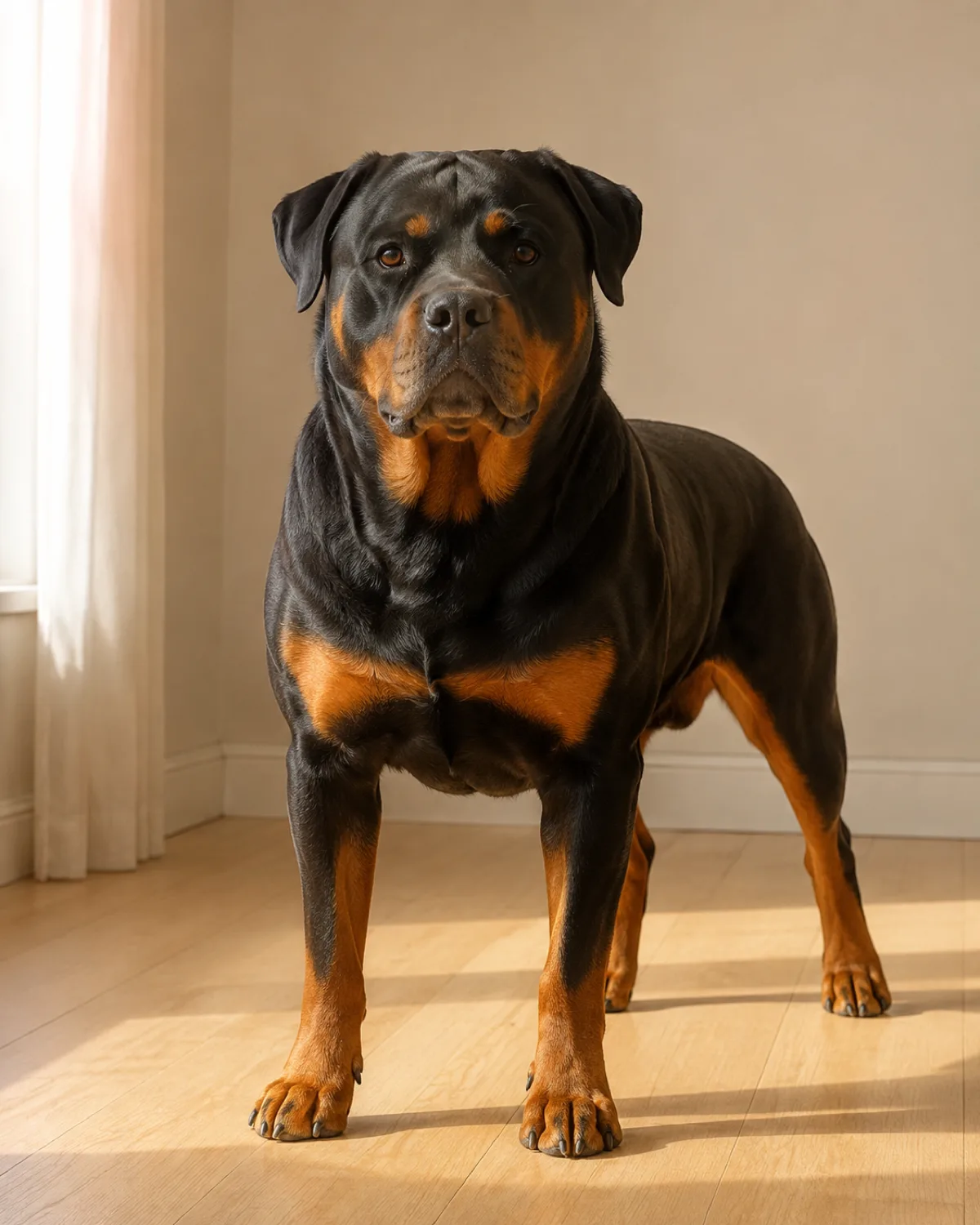
A dog who goes completely still — no movement in the body, tail, or head — is not relaxing. Freezing is a response to something the dog perceives as a serious threat, and it is one of the most commonly missed warning signs before a bite.
The freeze often happens so quickly that people describe the bite as coming out of nowhere. But the freeze was there. The dog stopped moving, locked their muscles, closed their mouth, and held their breath. It lasted one to three seconds, and then the dog made a decision.
If your dog freezes, stop whatever you are doing immediately. Do not reach toward them, do not call them in a sharp voice, and do not try to take whatever they are guarding. Step back, give them space, and let the tension drop before you re-engage. A freeze is not the time to test boundaries — it is the time to listen.
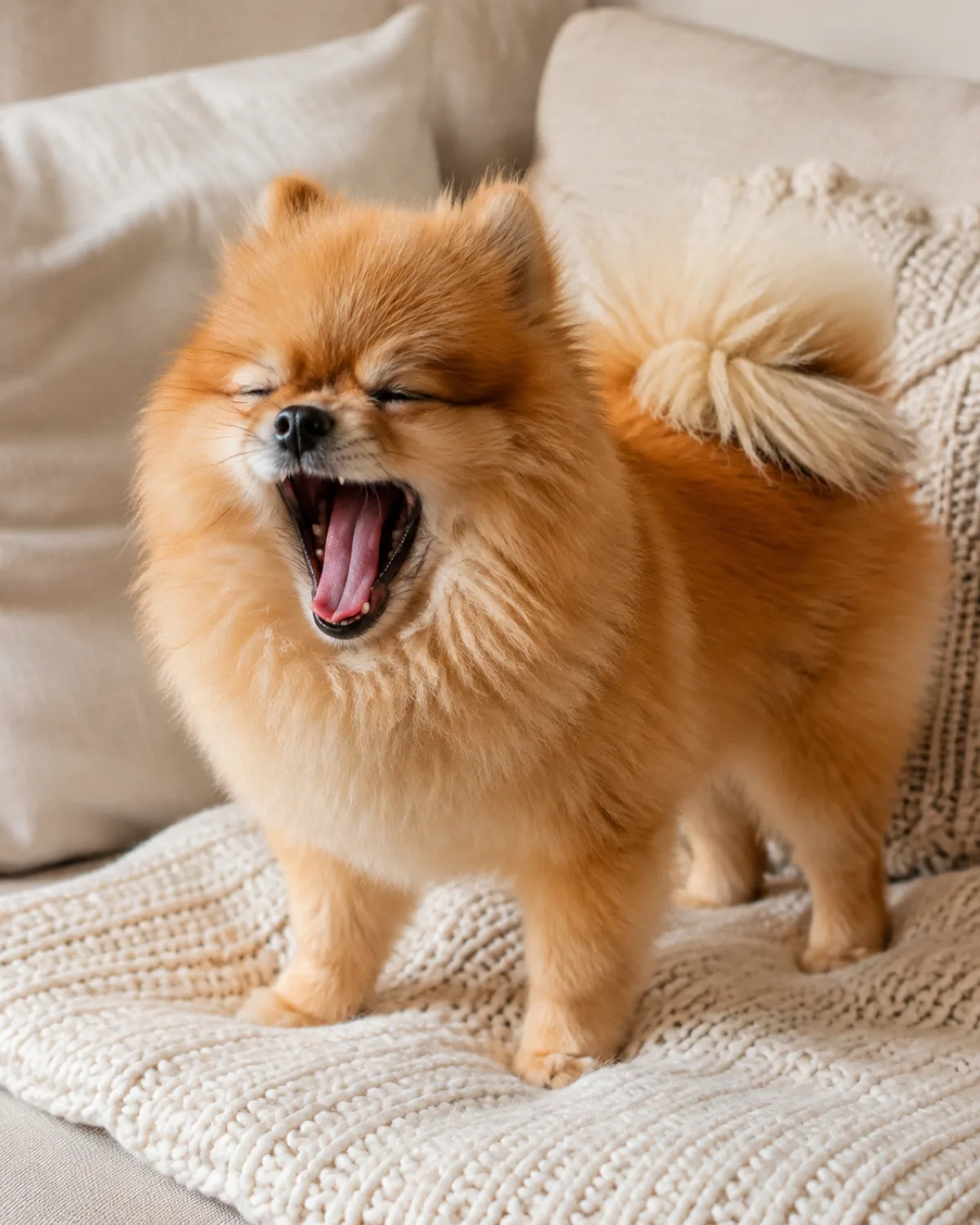
When your dog yawns in the morning or right before sleep, it means exactly what yours does — they are tired. When your dog yawns in the vet waiting room, at the groomer, during a training session, or while meeting a new person, it means something different entirely.
A yawn in a non-sleep context is a displacement behavior. The dog is stressed or conflicted, and the yawn is an outlet for that internal tension. Behaviorists call these calming signals because dogs also use them toward other dogs to reduce social pressure.
The fix is the same as most stress signals: notice what is happening around the dog and dial it back. If you are in the middle of a recall training session and your dog starts yawning, the session has probably gone on too long. End on a win and try again tomorrow.
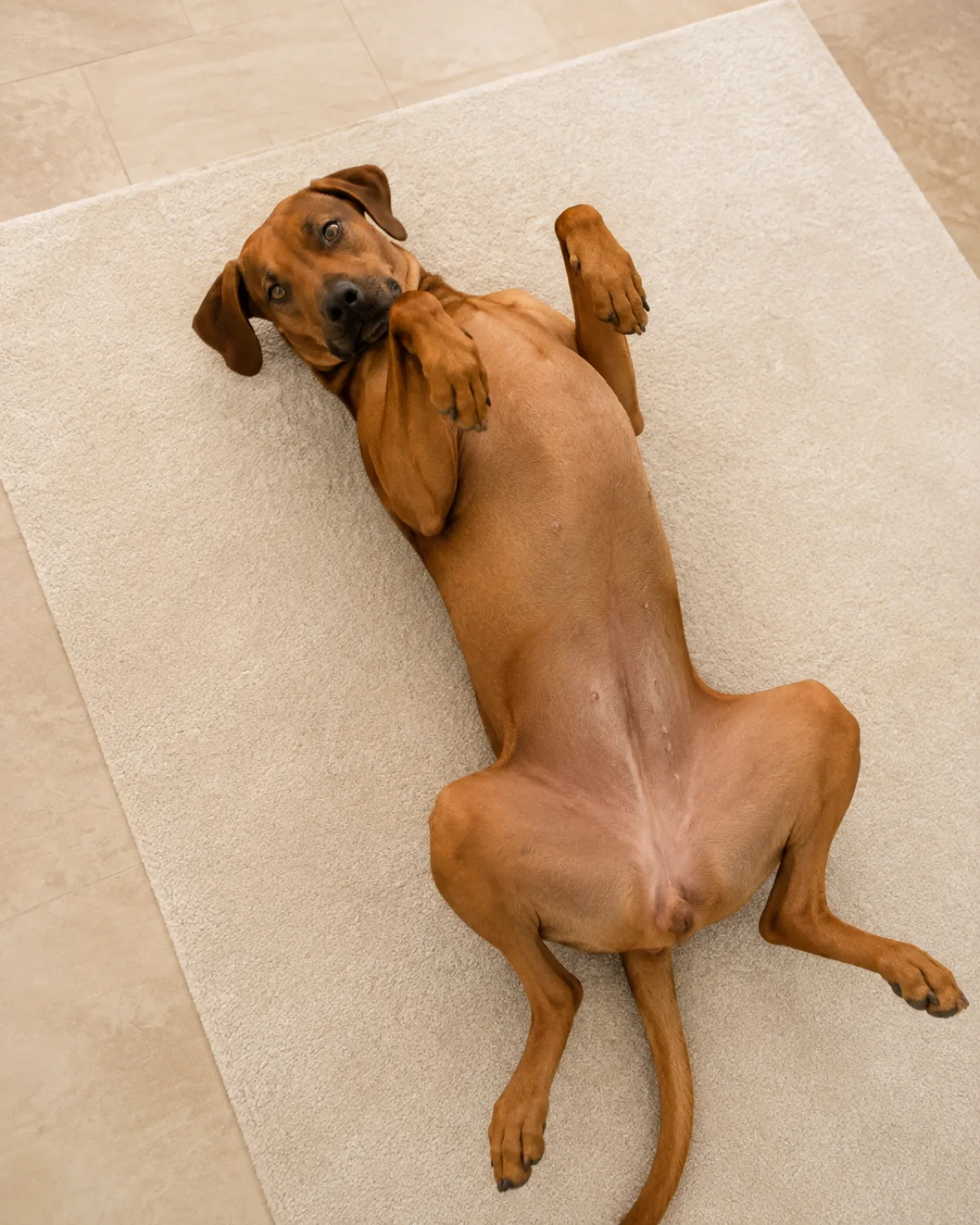
Not every belly-up dog is asking for a belly rub. This signal has two very different meanings depending on the rest of the body.
A relaxed belly exposure — soft eyes, loose legs, a gently wagging tail — means the dog is comfortable and may enjoy being touched. This usually happens at home with people the dog trusts completely.
A tense belly exposure — wide eyes, stiff legs, a tucked or still tail — is an appeasement gesture. The dog is saying I am not a threat, please do not hurt me. Reaching in to rub that belly makes the dog more uncomfortable, not less, because you are moving toward a dog who just told you they feel vulnerable.
The safest approach is to wait a beat before touching. If the dog stays loose and wiggly, go ahead. If they stiffen the moment your hand moves toward them, pull back and let them decide what happens next.
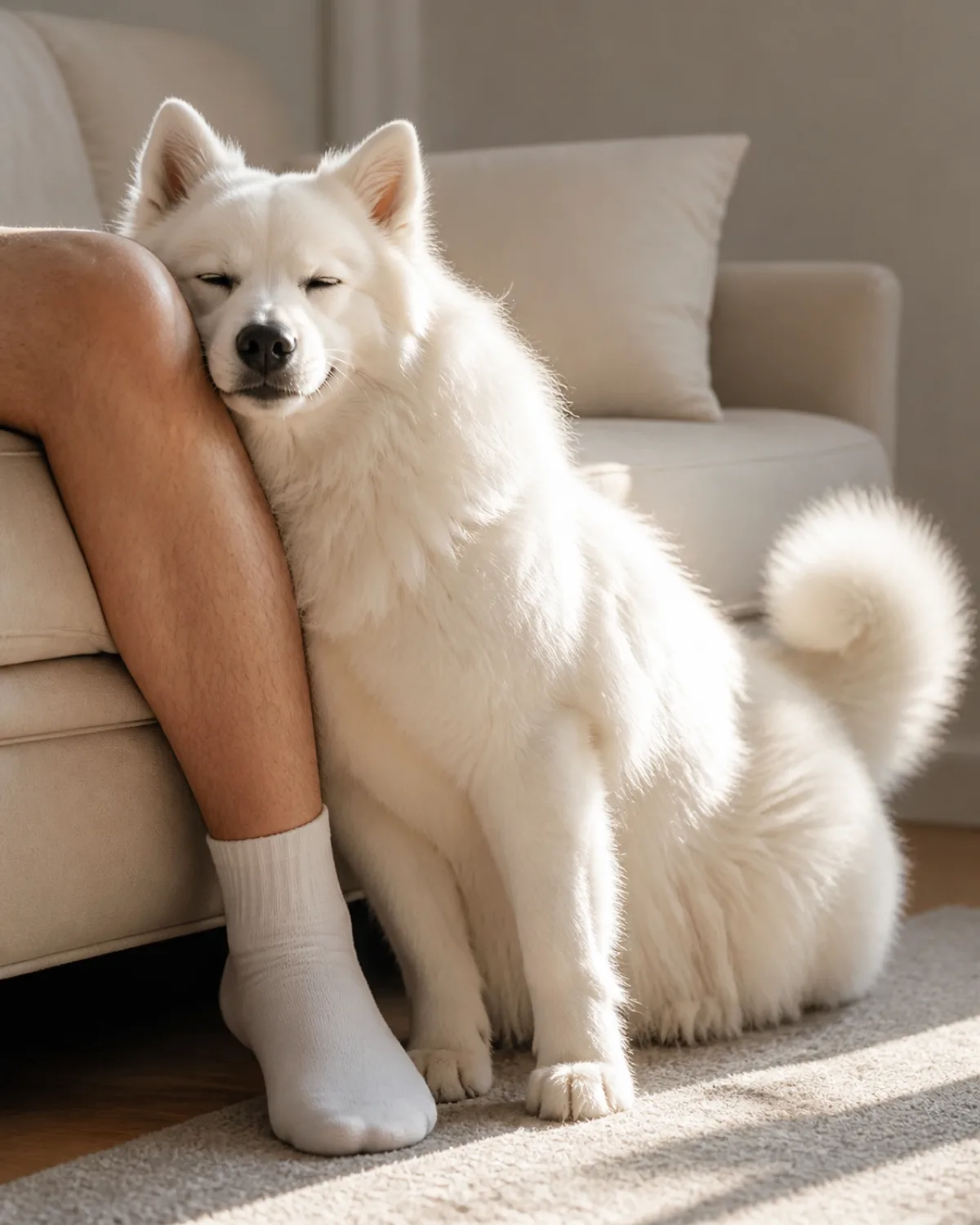
When a dog presses their body weight against your leg, hip, or side, they are seeking physical contact for a reason. Most of the time, that reason is comfort.
Leaning is common in dogs who are bonded to their owner and use physical closeness as a regulation tool. It tends to increase during stressful situations — at the vet, during fireworks, when new people enter the house. The lean says I trust you and I need you close right now.
The best response to a comfort lean is to stay still and let it happen. Reach down and scratch behind the ears or along the chest if the dog seems relaxed. Do not push the dog away or move suddenly — they chose you as their safe spot, and honoring that deepens the bond.
If the leaning happens during loud events, pairing it with a calm space like a crate gives the dog a secondary anchor when you cannot be right next to them.
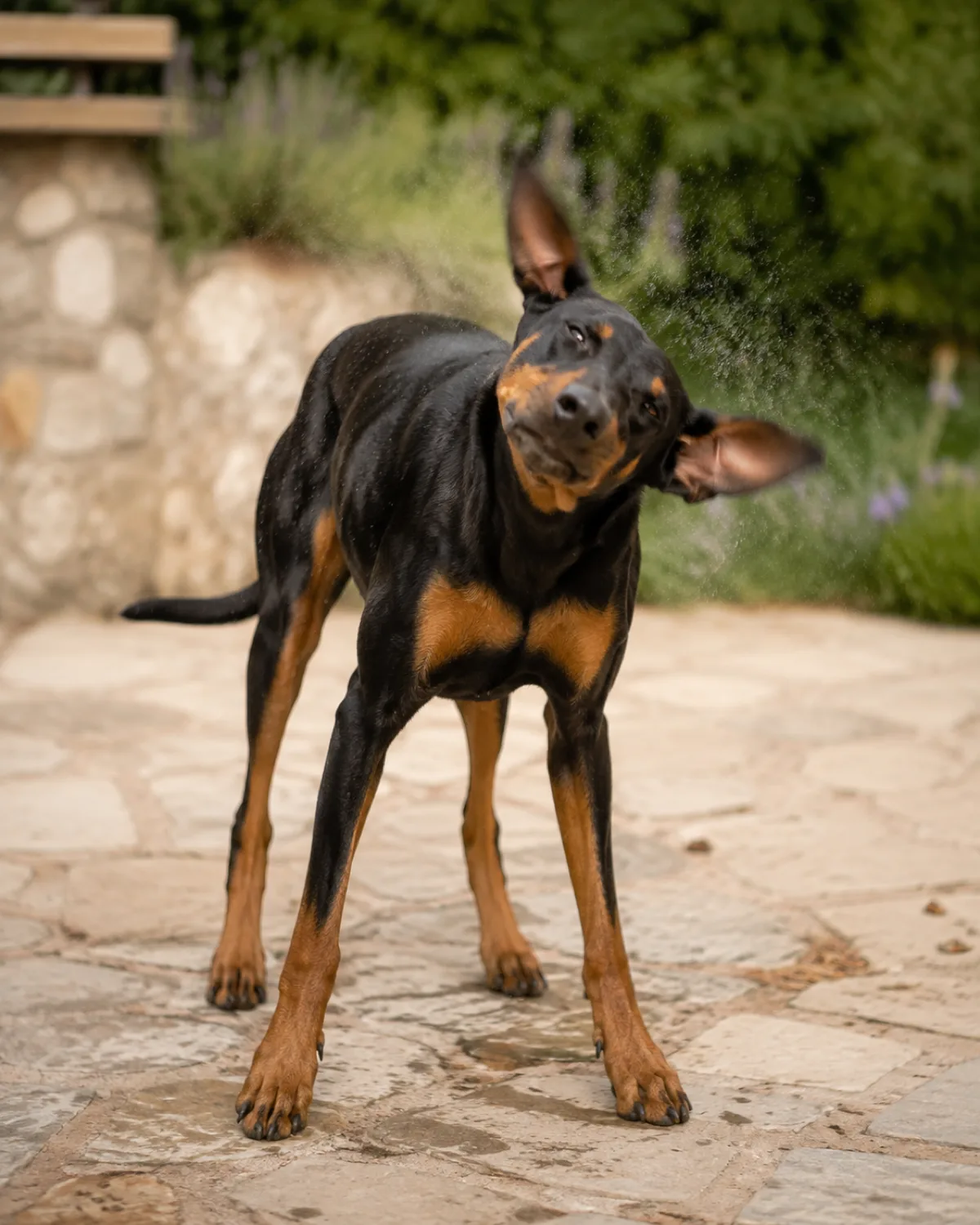
When a dry dog shakes their entire body as if they just climbed out of a lake, they are resetting. The shake-off is the nervous system releasing tension after a stressful moment has passed.
You will see it after a tense greeting with another dog, at the end of a vet exam, when they finish a challenging training exercise, or when they come back inside after barking at something in the yard. The shake happens at the transition point — the stressor is behind them, and the shake clears the slate.
You do not need to do anything when the shake happens. Let it finish, then observe what comes next. If the dog returns to a calm baseline, the reset worked. If they go back to a stressed state, the underlying issue still needs addressing.
The shake-off is actually a useful training marker. When you are working on something your dog finds difficult and you see a shake at the end of a repetition, you know they processed the challenge and moved through it. That is a good place to end the session.
Dog mom to three very different dogs. Every guide on Pawliqa is based on real experience, veterinary guidance, and way too many hours reading ingredient labels. More about Jess
Photos help you recognize individual signals, but video is better for learning transitions. A freeze that lasts one second before a snap is impossible to see in a still image. Start with photos to learn the vocabulary, then watch slow-motion clips of dog interactions to see how signals chain together.
The core signals are universal, but anatomy affects visibility. Dogs with permanently curled tails cannot tuck them the same way. Dogs with cropped ears cannot pin them flat. Dogs with heavy facial folds make whale eyes harder to spot. Learn the signals on breeds with natural anatomy first, then adjust for your own dog.
Yes. Most dogs tolerate hugs rather than enjoy them. The restraint of a hug triggers stress signals in many dogs, including whale eyes, lip licking, and a stiff body. Sit next to your dog and let them lean into you instead — they get the closeness without the constraint.
A stretch is slow, sustained, and happens after rest. The dog extends one end at a time and holds the position. A play bow is bouncy, brief, and aimed at someone — another dog or you. The rear stays up with a wagging tail, and the dog usually springs out of it into movement within a few seconds.
Never. A growl is communication, not disobedience. Punishing a growl teaches the dog to skip the warning and go straight to a bite. When your dog growls, they are telling you something is wrong. Listen to the message, remove the stressor, and address the root cause with training or a vet visit.
Twelve practical ways to stop a dog from begging for food, from place training and mealtime management to guest protocols that keep your dog calm around the dinner table.
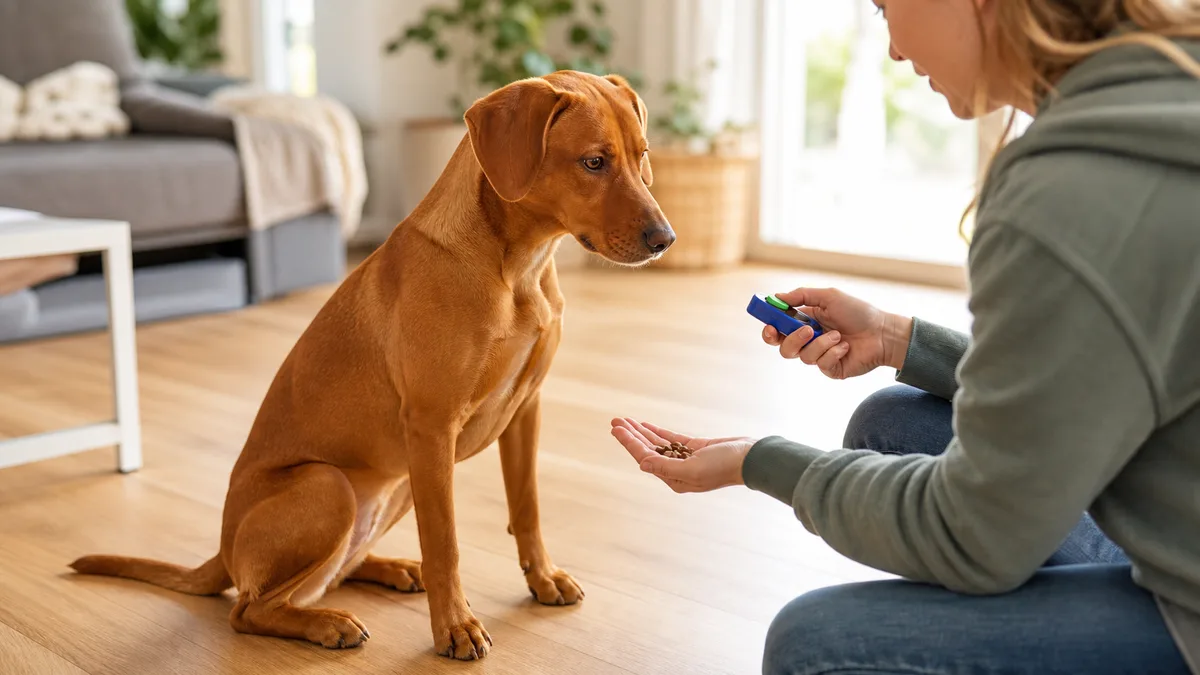
Read the guideFifteen practical steps for clicker training your dog, from charging the clicker and timing your clicks to shaping complex behaviors and fading treats.
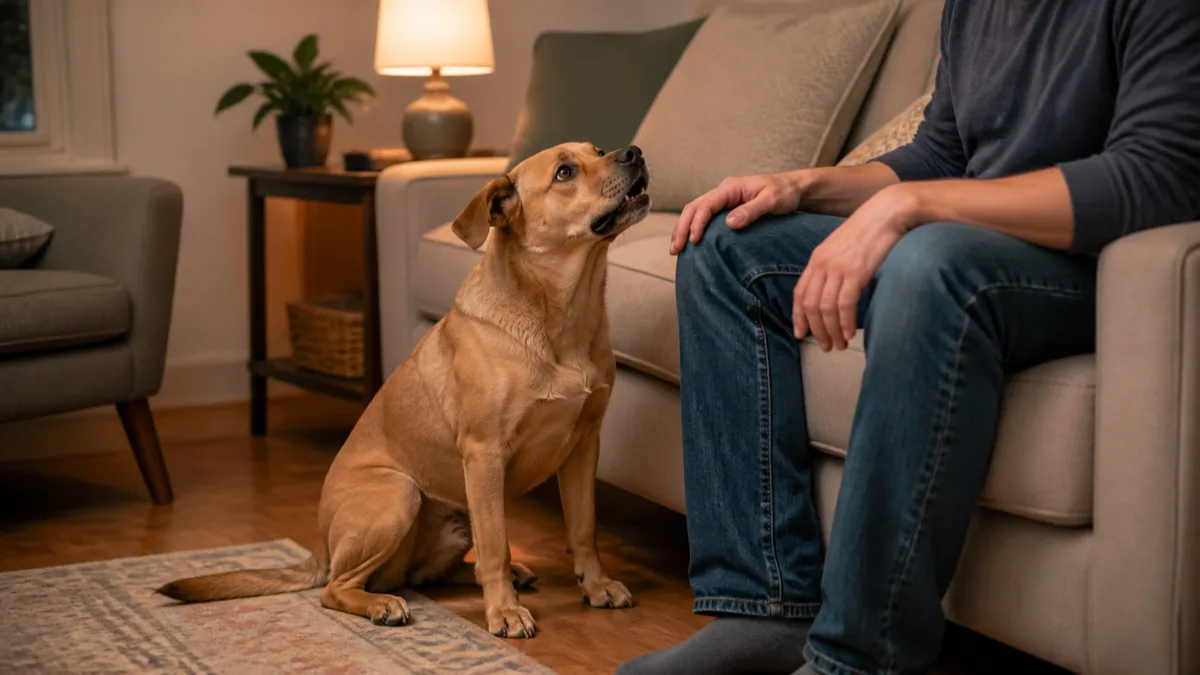
Read the guideFourteen ways to stop a dog from whining, from ignoring attention-seeking habits and teaching a mat settle to recognizing pain signals that need a vet visit.
Read the guide